
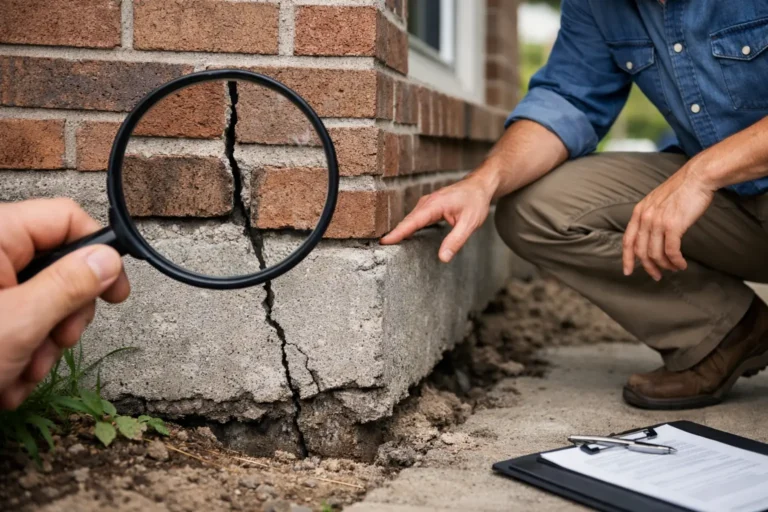
A house can look clean, updated, and move-in ready while the structure underneath is telling a very different story. That is why spotting the signs of foundation problems before buying a house matters so much. Cosmetic fixes are cheap. Structural repairs are not, and sellers do not always realize what those small clues actually mean.
In Edmonton-area homes, foundation concerns are not rare. Freeze-thaw cycles, soil movement, moisture pressure, older construction methods, and poor drainage all put stress on below-grade walls and slabs. Some issues are minor and manageable. Others point to movement that can keep getting worse unless the cause is corrected.
The most common signs of foundation problems before buying a house
The first thing to understand is that no single crack or sticking door automatically means the home has a major structural defect. Houses move a little over time. Materials shrink, settle, and expand. The real question is whether the pattern of symptoms suggests normal aging or active movement.
Cracks in foundation walls are one of the clearest clues. A thin vertical shrinkage crack in poured concrete may be common, especially in newer homes, but wider cracks, stair-step cracks in block or brick, horizontal cracking, or any crack with visible displacement deserve much closer attention. If one side of the crack sits higher or farther out than the other, that is more concerning than a simple hairline split.
Inside the home, pay attention to doors and windows that stick or do not latch properly. One stubborn interior door by itself is not enough to diagnose foundation movement. But when several openings are out of square, especially near the same area of the home, that can signal shifting below.
Floors that slope, dip, or feel uneven are another warning sign. Buyers sometimes notice this when a marble rolls on its own or when furniture looks slightly off level. Older homes can have some irregularity from long-term settling or framing changes, so this is not always a deal-breaker. What matters is whether the slope is isolated and stable or part of a larger pattern tied to cracking, moisture, or structural distortion.
Wall and ceiling cracks also matter, especially when they show up above doors and windows or reopen after patching. Drywall cracks can come from ordinary seasonal movement, but repeated cracking in the same places often means something below is still moving. If you see fresh paint over patched areas, look closely. A cosmetic repair does not tell you whether the underlying cause was fixed.
What foundation cracks mean and what they do not
Not all cracks carry the same level of risk, and this is where buyers can get misled by general advice online. A small vertical crack in a poured concrete basement wall may be mostly a water entry issue. A long horizontal crack can suggest lateral soil pressure pushing inward. Stair-step cracking in masonry can point to differential settlement. A cracked slab floor may be minor, or it may be part of broader movement affecting the house.
Width matters, but shape and location matter just as much. So does whether the crack is old and stable or active and changing. Efflorescence, rust staining, fresh sealant, or water marks near the crack can all provide useful context. If the basement is finished, the challenge gets harder because the wall surface may be hidden behind drywall and insulation.
That is one reason a quick showing is not enough. Buyers often get 20 minutes in a house that took decades to age. You need someone looking for the story behind the finish materials.
Moisture and drainage problems often go hand in hand with foundation trouble
Many serious foundation issues start outside. If water is not directed away from the house, the soil around the foundation can expand, erode, or place added pressure on walls. That is why drainage conditions should never be treated as separate from structural concerns.
Watch for negative grading, where the soil slopes toward the home instead of away from it. Short downspout extensions, clogged gutters, settled areas along the foundation, and hard surfaces that direct runoff back to the house can all increase risk. In spring, snowmelt adds another layer of pressure in our climate.
Inside, signs of moisture in the basement or crawl space deserve attention even if the area smells only slightly musty. Water staining, damp spots, white powdery residue on concrete, peeling paint, warped trim, and mold-like growth can all point to ongoing intrusion. Moisture alone does not prove structural failure, but persistent water around a foundation is a known contributor to deterioration and movement.
Signs buyers miss during a rushed walkthrough
Some of the most important clues are easy to overlook because they do not look dramatic. Trim separation at the top of a door frame, tiny gaps between cabinets and walls, cracked tile, patched drywall in repeated locations, and slight bowing in a basement wall can all matter when viewed together.
Look at the exterior brick or siding lines. If they appear wavy, pulled apart, or patched repeatedly, there may be movement underneath. Check whether porches, steps, or chimney structures have separated from the main house. Those separations can suggest settlement or frost-related movement.
In unfinished basements, take time to sight down the wall. Bowing, leaning, or bulging can be subtle at first. You may also notice steel posts, braces, or repair plates that raise obvious questions. Repairs are not automatically bad. In some cases, properly engineered and documented repairs are better than hidden damage that has never been addressed. The key is knowing what was done, why it was done, and whether the cause was actually corrected.
When signs of foundation problems before buying a house are a deal-breaker
This depends on severity, repair history, and your budget tolerance. Some foundation issues are manageable if they have been professionally repaired and the home is otherwise priced appropriately. Others create open-ended risk that should make a buyer slow down or walk away.
A house becomes far riskier when you see multiple symptoms across the structure, active water entry, major wall displacement, significant floor sloping, or evidence that repairs were cosmetic rather than corrective. If the seller cannot provide details on past structural work, permits, warranties, or engineering reports, your uncertainty goes up fast.
There is also the financing and insurance side. Some lenders and insurers become cautious when structural concerns are documented. Even if you are comfortable taking on repairs, the transaction itself may get more complicated.
This is where plain-English inspection reporting matters. Buyers do not need drama. They need clarity on what is visible, what is suspected, what should be reviewed further, and what that could mean for negotiation and future cost.
What a good inspection can tell you about foundation concerns
A professional home inspection will not replace a structural engineer when engineering analysis is needed, but it should absolutely help you decide whether that next step is warranted. The value is in recognizing patterns, documenting visible defects, checking related conditions like moisture and drainage, and explaining the likely significance without guesswork.
That means looking beyond one crack. It means connecting exterior grading, downspout discharge, basement moisture, wall movement, door alignment, and floor level changes into a useful risk picture. For buyers under deadline, that kind of focused assessment is often what keeps a rushed purchase from becoming an expensive lesson.
At JBR Inspections, this is exactly how we approach older basements, finished lower levels, and homes where the visible clues do not fully match the sales presentation. The goal is not to alarm you. It is to give you enough accurate information to negotiate, budget, or step back with confidence.
What to do if you see these signs before making an offer
Do not assume the worst, and do not brush it off because the kitchen looks great. Ask better questions. How old are the cracks? Have they changed? Has water entered the basement? Were any repairs completed, and is there paperwork? Has a structural contractor or engineer assessed the issue before?
If you are already under contract, make sure your inspection period is used carefully. Structural concerns are one of the last places a buyer should rely on hope. A clean staging job can hide a lot. Careful inspection, moisture evaluation, and a direct explanation of what is visible can protect you from buying into someone else’s deferred problem.
A foundation issue does not always mean the house is wrong for you. Sometimes it simply means the price, repair plan, and level of risk all need to be understood before you commit. The right home is not just the one that feels good on showing day. It is the one that still makes sense after the structure tells the truth.