
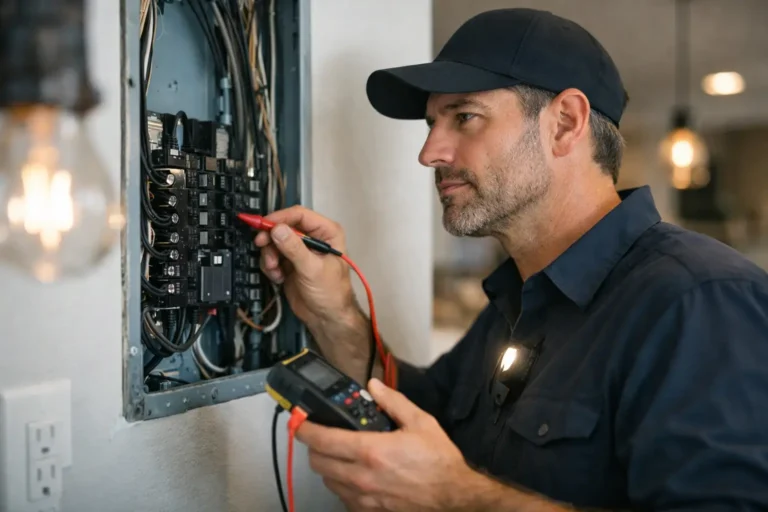
You flip a light switch, the room brightens, and everything feels fine. That is exactly why electrical issues get missed by buyers. A lot of serious problems stay hidden behind a dead front cover, inside an overfilled panel, or in a basement ceiling where nobody looks during a showing. If you are asking what do home inspectors check electrical, the short answer is this: we look for safety hazards, improper installation, aging components, and signs the system may not perform reliably under normal use.
For buyers, that matters because electrical defects are not just annoying. They can become fire risks, shock hazards, insurance headaches, and expensive repairs after closing. A proper inspection is meant to catch the problems that a quick walkthrough will not.
What do home inspectors check electrical in a house?
A home inspector is not doing a full code compliance inspection or tearing walls open. The job is to assess the visible and accessible parts of the electrical system and identify defects, deficiencies, and safety concerns. That includes the service entrance, main panel, subpanels, visible wiring, receptacles, switches, grounding and bonding components, and the operation of representative fixtures and outlets.
The key phrase is visible and accessible. If a panel is blocked by storage, if wiring is buried behind finished walls, or if a seller has painted over labels and shut areas off from access, there are limits to what can be confirmed. A good inspector explains those limits clearly instead of pretending everything was fully verified.
The electrical panel gets close attention
The panel is usually the first place major issues show up. It tells a story about the home, the age of the system, how repairs were handled, and whether upgrades were done properly.
An inspector will typically look at the panel’s general condition, whether breakers appear appropriately sized, whether the panel has clear labeling, and whether there are signs of overheating, corrosion, arcing, moisture intrusion, or unsafe modifications. Double-tapped breakers, missing knockouts, damaged conductors, and evidence of amateur work are common findings.
Panel brand matters too. Some older panels have known reliability concerns, and that can affect both safety and insurance. That does not automatically mean the house is a bad purchase, but it does mean the finding deserves a serious conversation about replacement cost and timing.
Grounding and bonding are also part of the panel review. If those elements are missing or improperly installed, fault current may not move safely through the system the way it should. That is one of those technical details buyers rarely see, but it has real safety implications.
Receptacles, switches, and GFCI protection
Outlets and switches tell you a lot about how safely the electrical system is functioning in everyday use. Inspectors test a representative number of receptacles and check for common defects such as reverse polarity, open grounds, open neutrals, and non-functioning outlets.
GFCI protection is another major checkpoint. These devices are intended to reduce shock risk in areas where water is present or conditions are more hazardous, such as kitchens, bathrooms, garages, exterior locations, unfinished basements, and certain laundry areas. If required protection is missing or if a GFCI does not trip properly when tested, that gets flagged.
AFCI protection may also be noted where applicable. Arc-fault protection helps reduce fire risk from dangerous arcing in branch circuits. In newer homes, missing or defective AFCI protection can point to installation issues or later alterations. In older homes, the absence of AFCI protection may reflect the age of the system rather than a recent defect, so context matters.
Wiring type and visible installation quality
When buyers ask what do home inspectors check electrical, wiring is one of the biggest concerns. Not every home has the same wiring materials, and not every older system is automatically unsafe. But certain wiring types deserve closer scrutiny.
Inspectors look at visible wiring in unfinished areas, attics, basements, crawlspaces, garages, and utility rooms. They watch for damaged insulation, unsupported cables, exposed splices, open junction boxes, extension cords used as permanent wiring, and signs of overheating.
The type of wiring also matters. Older aluminum branch wiring, knob-and-tube wiring, and certain outdated wiring practices can raise safety and insurance concerns. Again, this is not always a deal killer. Sometimes the right answer is repair by a licensed electrician. Sometimes the smarter move is budgeting for a more substantial upgrade. The important part is knowing what you are buying before closing.
Fixtures, smoke alarms, and basic function
Inspectors also operate a representative sample of lights, fans, and installed fixtures. They are looking for fixtures that do not work, loose mounting, damaged covers, exposed bulbs where protection is needed, and signs of heat damage at light fixtures.
Smoke alarms and carbon monoxide alarms may be noted as part of the overall safety picture depending on the home and local standards of practice. If alarms are missing, outdated, disconnected, or improperly located, that becomes important fast. It is a relatively small correction compared with a panel replacement, but it is still a life-safety issue.
There is a practical side to all of this. Small electrical defects often hint at bigger patterns. A loose switch plate by itself is minor. A loose switch plate, a warm receptacle, an overloaded panel, and open splices in the basement together suggest a history of careless electrical work.
Service entry and exterior components
A thorough electrical inspection is not limited to the inside of the house. The service drop or lateral, meter area, mast, weatherhead, and exterior wiring conditions can reveal problems that affect both safety and future repair cost.
Inspectors look for damaged service cables, improper clearances, loose equipment, rust, water entry concerns, and aging exterior components. Exterior receptacles are also checked for function and appropriate weather-resistant covers where applicable. In garages and outdoor spaces, missing GFCI protection comes up often.
This is one reason buyers benefit from a full inspection rather than focusing only on cosmetic issues. The expensive defects are often in the systems you do not think about during a showing.
What inspectors do not do
It helps to be clear about the limits. A home inspection is not the same as an electrician’s invasive diagnostic. Inspectors generally do not calculate full load demand, remove insulation to trace hidden conductors, or certify that every part of the system meets the latest building code.
They also do not predict exactly when a breaker will fail or guarantee that no hidden wiring defects exist behind finished walls. A good inspection reduces risk. It does not erase it.
That said, a solid inspection often gives buyers enough information to decide whether they are looking at a manageable repair list or a bigger electrical upgrade. That distinction can change how you negotiate, what you budget, and whether the house still makes sense.
Common red flags buyers should take seriously
Some findings deserve more attention than others. Scorching in a panel, aluminum branch wiring, ungrounded receptacles, active knob-and-tube wiring, oversized breakers, missing junction box covers, and widespread DIY modifications are not items to shrug off.
The same goes for flickering lights combined with tripped breakers, buzzing at the panel, or signs of moisture near electrical components. One issue may be isolated. Several together usually mean there is more to investigate.
In Edmonton-area homes, age and renovation history often tell the story. An older home with a newer kitchen may look updated on the surface but still have outdated wiring elsewhere. That is why JBR Inspections focuses on clear, plain-English findings instead of flooding buyers with vague comments and generic checklists.
Why electrical findings matter during a real estate deal
Electrical defects affect more than safety. They can influence insurability, lender requirements, repair negotiations, and your first-year ownership costs. A buyer who understands the condition of the system can ask for repairs, request credits, bring in an electrician for further evaluation, or walk away if the risk is too high.
This is where clear reporting matters. Buyers under contract are already juggling deadlines, financing, and move planning. They do not need technical jargon without context. They need to know what was found, how serious it is, and what to do next.
That is the real value of a home inspection. Not fear. Not fluff. Just useful information that helps you make a smart decision under pressure.
If you are buying a home, do not let a clean-looking kitchen or fresh paint convince you the electrical system is fine. The safest house is not the one that looks polished during the showing. It is the one that has been checked carefully, explained clearly, and understood before you sign the final papers.