

Buying a property is a big step. Whether it’s your first home or an investment, you want to be sure you’re making a wise choice. One of the best ways to protect yourself is through a thorough inspection. This process helps uncover hidden problems before you commit. I’ve put together a clear, practical guide to help you navigate inspections with confidence.
Why Inspection Tips for Buyers Matter
When you’re buying a property, it’s easy to get caught up in the excitement. But rushing without a proper inspection can lead to costly surprises. Inspections give you a detailed look at the condition of the property. They reveal issues that might not be obvious during a casual walkthrough.
For example, a roof might look fine from the ground, but an inspection can uncover leaks or damage. Plumbing and electrical systems might have hidden faults that could cost thousands to fix. Knowing these details upfront lets you negotiate repairs or adjust your offer.
I always recommend approaching inspections calmly and methodically. Think of it as gathering facts to make the best decision. You don’t need to be an expert. A professional inspector will guide you through the process and explain what you need to know.
What Checks Should Be Done When Buying a House?
There are several key areas to focus on during an inspection. Here’s a breakdown of the most important checks:
Structural Integrity
The foundation, walls, and roof form the backbone of any property. Inspectors look for cracks, water damage, and signs of settling. These issues can affect safety and value.
Roofing and Gutters
A roof inspection checks for missing shingles, leaks, and wear. Gutters should be clear and properly attached to prevent water damage.
Plumbing System
Inspectors test water pressure, check for leaks, and examine pipes for corrosion. They also look at water heaters and drainage systems.
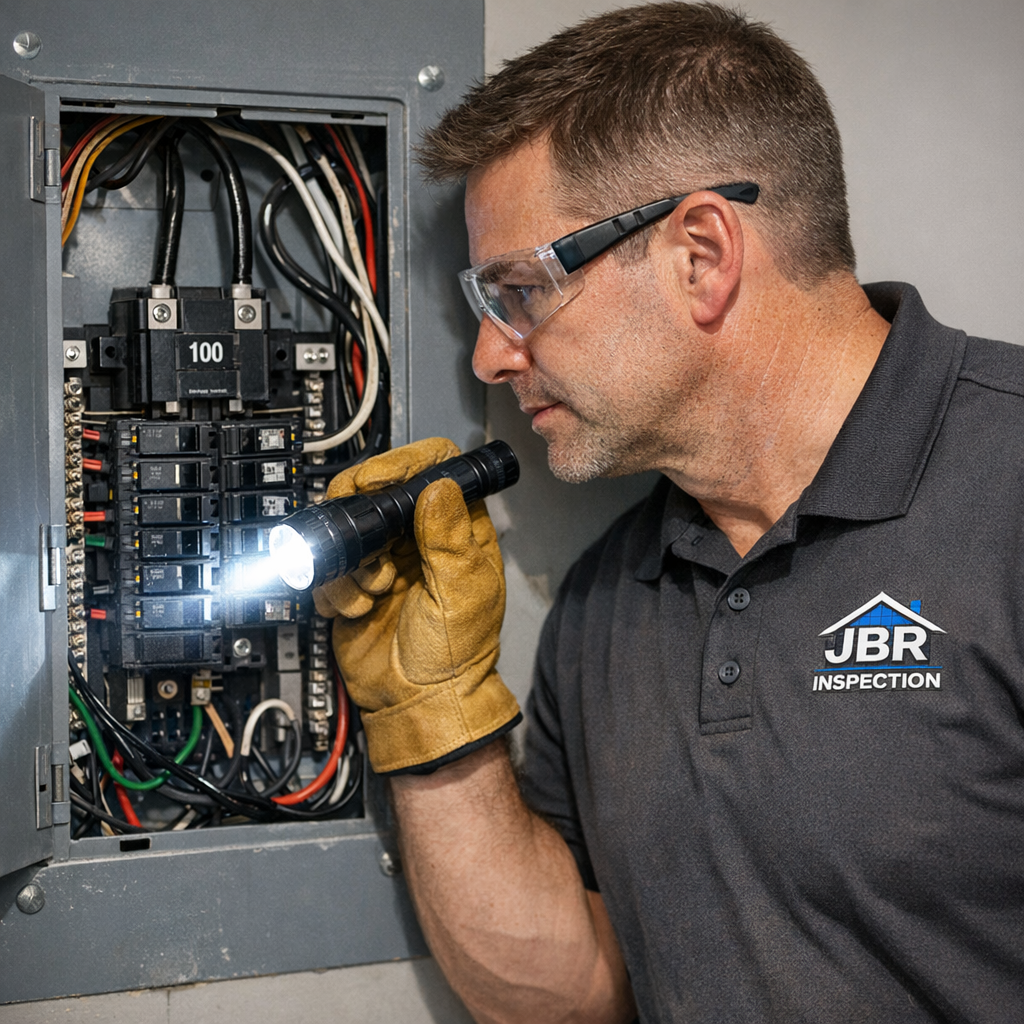
Electrical System
Safety is critical here. Inspectors verify wiring, outlets, and circuit breakers to ensure everything meets current standards.
Heating and Cooling
HVAC systems are costly to repair or replace. Inspectors assess their condition and efficiency.
Interior and Exterior
Walls, floors, windows, and doors are checked for damage or drafts. Exterior siding and landscaping are also reviewed for potential issues.
Pest Inspection
Termites and other pests can cause serious damage. A pest inspection is often part of the overall process.
By covering these areas, you get a comprehensive picture of the property’s condition. This helps you avoid unexpected repairs and budget accordingly.
Eye-level view of a house inspector examining the roof shingles
How to Use a Home Inspection Checklist for Buyers
A checklist is a handy tool to keep track of what needs to be inspected. It ensures nothing important is overlooked. You can find a detailed home inspection checklist for buyers online or ask your inspector for one.
Here’s how to make the most of it:
- Review the checklist before the inspection: Familiarize yourself with the items so you know what to expect.
- Attend the inspection if possible: Being there allows you to ask questions and see issues firsthand.
- Take notes and photos: Document any concerns or questions that arise.
- Discuss findings with your inspector: They can explain the severity of problems and suggest next steps.
- Use the report to negotiate: If significant repairs are needed, you can ask the seller to fix them or adjust the price.
Remember, the checklist is your guide, not a guarantee. Some issues may only become apparent over time. But it’s the best way to reduce risk and make an informed decision.
Common Red Flags to Watch For
During inspections, some problems are more serious than others. Here are a few red flags that should raise concern:
- Foundation cracks or uneven floors: These may indicate structural problems.
- Water stains or mold: Signs of leaks or poor ventilation.
- Outdated electrical wiring: Can be a fire hazard.
- Roof damage or missing shingles: Could lead to leaks and costly repairs.
- Poor drainage around the property: May cause flooding or foundation issues.
- Pest damage: Termites or rodents can cause extensive harm.
If you spot any of these, ask your inspector for a detailed explanation. Sometimes repairs are straightforward, but other times they require expert evaluation.
Close-up view of a cracked foundation wall in a basement
Final Steps After the Inspection
Once the inspection is complete, you’ll receive a detailed report. This document is your roadmap for the next steps:
- Review the report carefully: Understand each issue and its impact.
- Prioritize repairs: Some problems need immediate attention, others can wait.
- Consult with contractors if needed: Get estimates for major repairs.
- Negotiate with the seller: Use the inspection findings to request fixes or price adjustments.
- Decide whether to proceed: If the property has too many issues, it might be best to walk away.
Taking these steps helps you avoid surprises and make a confident purchase. Remember, inspections are about protecting your investment and peace of mind.
By following these inspection tips for buyers, you’re setting yourself up for success. A thorough inspection uncovers hidden problems and gives you the information you need to make smart decisions. Whether you’re buying a home or commercial property, this process is essential.
If you’re in the Edmonton, St. Albert, or Sherwood Park areas, working with a trusted inspection partner can make all the difference. They bring local knowledge and expertise to help you avoid costly mistakes.
Take your time, ask questions, and use your inspection as a tool to secure a safe, sound property. Your future self will thank you.