
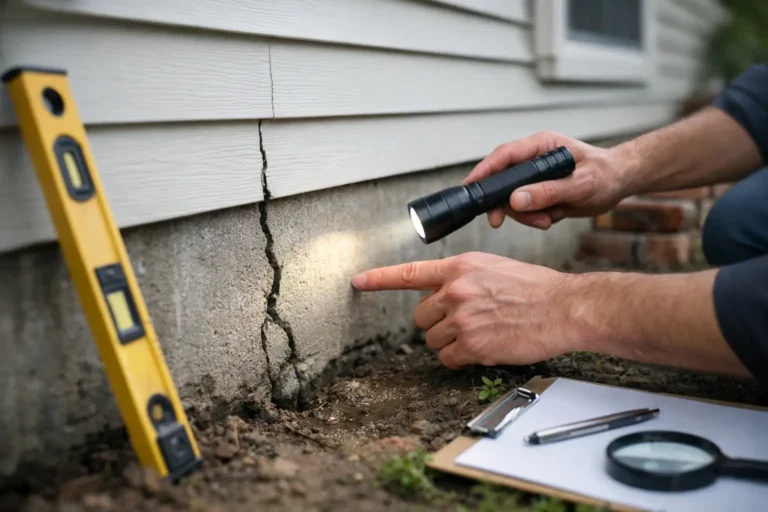
A house can look clean, updated, and move-in ready – and still have a foundation problem hiding underneath the finishes. That is why foundation warning signs before buying deserve serious attention, especially when you are already juggling timelines, financing, and negotiations. Cosmetic upgrades are easy to spot. Structural movement is not.
In Edmonton-area homes, foundation concerns can show up in subtle ways long before anyone says the word “structural.” A hairline crack may be normal. A pattern of cracks, sloping floors, moisture staining, and doors that suddenly do not latch the way they should is a different story. The job is not to panic over every defect. The job is to recognize what deserves a closer look before you commit to the purchase.
Why foundation warning signs before buying matter
Foundation issues can be expensive, but the bigger problem is uncertainty. A buyer can budget for a known roof replacement or an aging water heater. It is much harder to price a hidden structural problem when the cause, extent, and repair path are still unclear.
That uncertainty affects more than repair costs. It can shape financing, insurance, future resale, and your ability to negotiate before closing. If movement is active, related issues can spread into drywall, flooring, windows, exterior cladding, drainage, and moisture intrusion. What starts as a crack in the basement wall can turn into a much broader repair conversation.
Not every sign means the foundation is failing. Homes settle. Concrete cracks. Seasonal movement happens. But when several indicators show up together, buyers need facts, not guesses.
The most common foundation warning signs before buying
1. Horizontal or stair-step cracks
Crack type matters. Vertical hairline shrinkage cracks are often less serious than horizontal cracks in foundation walls or stair-step cracks running through masonry. Horizontal cracking can point to lateral pressure from soil outside the wall. Stair-step cracking can suggest movement in block or brick sections.
The key is context. One older repaired crack may not be alarming. Multiple cracks, widening gaps, signs of displacement, or fresh patching without documentation deserve more attention.
2. Uneven or sloping floors
A floor that feels off underfoot is one of the more revealing signs in a house. Sometimes the cause is framing, not the foundation. Sometimes it is age-related settling that has stabilized. But noticeable slope, bounce, or uneven transitions between rooms can also point to structural movement below.
This is where experience matters. A buyer walking through once may just think the house feels “a little quirky.” An inspector looks for pattern, direction, and whether the floor issue matches other clues in the basement, crawlspace, or walls.
3. Doors and windows that stick or do not close properly
One sticky bedroom door is not enough to condemn a house. Seasonal humidity, paint buildup, and normal wear can all affect operation. But when multiple doors rub, swing open on their own, or refuse to latch, and several windows show the same problem, structural shifting becomes part of the conversation.
Misalignment often appears where framing has moved just enough to throw openings out of square. It is a symptom, not a diagnosis, but it is a useful one.
4. Cracks above doors, windows, and interior openings
Watch the corners. Diagonal cracks radiating from the upper corners of doors and windows can indicate movement. Small cosmetic cracking is common in drywall, especially in newer homes as materials dry and settle. Wider cracks, repeated repairs, or cracks paired with trim separation tell a different story.
When these interior signs line up with exterior cracking or floor slope, the concern becomes more credible.
5. Gaps between walls, ceilings, or trim
Trim pulling away from walls, crown molding separating at corners, and visible gaps where walls meet ceilings can all signal movement. Again, there is a range here. Houses expand and contract. Older homes often show minor finish separation. But larger or growing gaps may reflect shifting below the surface.
Fresh caulking and recent paint can make these areas look better for a showing. That does not mean the underlying movement has stopped.
6. Water staining or moisture in the basement
Moisture is not automatically a foundation failure, but it is often part of the same risk picture. Water entering through foundation walls, floor joints, or cracks can point to drainage problems, grading issues, hydrostatic pressure, or wall deterioration.
In practical terms, moisture changes the stakes. A cracked wall that also shows dampness, efflorescence, or staining is usually more concerning than a dry, stable crack with a documented repair history. Moisture can weaken materials, damage finishes, and create mold conditions that add cost fast.
7. Bowing or leaning foundation walls
This is one of the more serious red flags. A wall that appears to bow inward, lean, or bulge should never be brushed off as cosmetic. Soil pressure, poor drainage, frost conditions, and long-term moisture exposure can all contribute.
Sometimes buyers only notice the finished basement and miss the actual wall condition. That is why an inspection needs to go beyond a quick walkthrough. Finished spaces can hide exactly the kind of movement you want identified before closing.
8. Exterior grading that sends water toward the home
Not every foundation issue starts with the concrete itself. Sometimes the real problem is outside. If the ground slopes toward the house, downspouts discharge too close to the foundation, or low spots hold water near the walls, the foundation may be taking on unnecessary moisture stress.
This is one of those areas where buyers can miss the warning because the house itself looks fine. Drainage problems are easy to underestimate until they turn into seepage, settlement, or wall pressure.
9. Patchwork repairs with no explanation
A repaired crack is not bad news by itself. In fact, many foundation repairs are legitimate and effective. The issue is missing context. If you see fresh parging, newly painted basement walls, recently replaced drywall in one corner, or isolated structural posts with no paperwork or explanation, ask questions.
The question is not just whether there was a repair. It is whether the cause was identified, whether the repair was appropriate, and whether movement appears ongoing.
10. Chimney or exterior separation
If a chimney is pulling away from the house, exterior brick shows step cracking, or there are visible gaps along attached structures such as porches or garages, foundation movement may be affecting more than the main basement walls. Exterior clues are often valuable because they are harder to hide with quick cosmetic work.
These signs do not always point to a single repair. They can reflect differential settlement, drainage problems, or movement in a specific section of the structure.
11. Multiple small signs that add up
This is the one buyers miss most often. A crack here, a sticky door there, a little basement staining, a floor that dips slightly near the stairs – each issue alone may seem minor. Together, they can form a pattern that deserves serious review.
A good inspection is not about dramatizing every flaw. It is about connecting the dots.
What these signs mean for buyers
The right response depends on severity. Sometimes the finding leads to monitoring and basic maintenance, such as improving drainage or sealing a stable crack. Sometimes it supports negotiating a credit or asking for further evaluation by a structural specialist. Sometimes the issue is significant enough to reconsider the deal entirely.
This is where plain-English reporting matters. Buyers do not need vague language or bloated reports full of filler. They need to know what was seen, why it matters, and what the next step should be.
In a fast-moving transaction, clarity saves time. If the signs appear minor and consistent with normal settlement, that should be explained clearly. If the pattern suggests active movement or moisture-related risk, that should be stated just as clearly. A no-nonsense inspection gives you something useful to act on.
What an inspection should look for beyond the obvious
Foundation assessment is not just about staring at basement walls. The stronger approach is to evaluate the house as a system. That includes crack patterns, wall movement, floor behavior, moisture conditions, drainage, roof runoff, grading, and signs of past repair.
That broader view matters because cause and symptom are not always in the same place. Water at the foundation may start with poor downspout discharge. Interior cracking may relate to movement that is more visible outside. Moisture testing, thermal imaging, and careful review of concealed-risk areas can help expose problems that a rushed showing will not.
At JBR Inspections, that practical approach is the whole point. Buyers need clear findings they can use, not technical noise.
If you are seeing foundation warning signs before buying, do not assume the worst – but do not talk yourself out of the evidence either. A house does not need to be perfect to be worth buying. It does need to be understood. The smartest buyers are not the ones who find a flawless home. They are the ones who know exactly what they are taking on before they sign.