
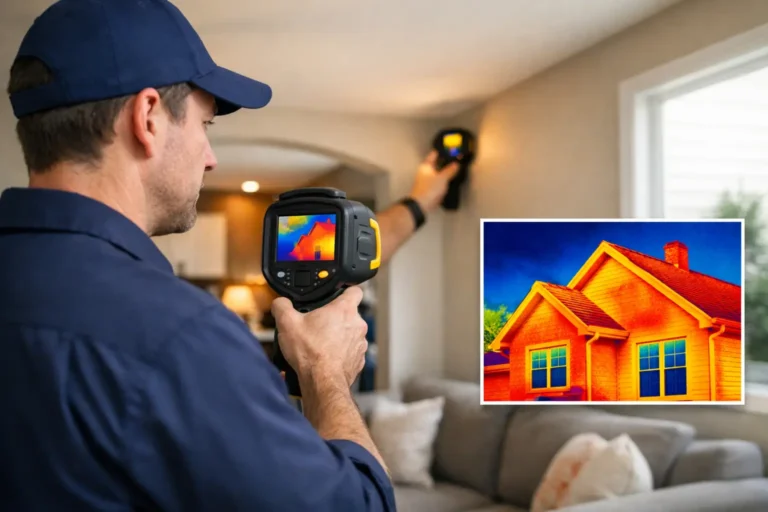
A house can look clean, updated, and well cared for during a showing and still hide problems behind the walls, above the ceilings, or around key systems. That is where a thermal imaging home inspection earns its keep. It gives buyers another layer of evidence – not guesswork, not sales talk, and not a watered-down opinion based on a quick walk-through.
For buyers in the Edmonton area, that matters. Long heating seasons, snow, freeze-thaw cycles, attic ventilation issues, older housing stock, and renovation shortcuts can all create problems that are not obvious to the naked eye. When you are making a major purchase on a tight timeline, seeing more of the home’s real condition can make the difference between a smart decision and an expensive surprise.
What a thermal imaging home inspection actually does
Thermal imaging uses an infrared camera to detect surface temperature differences. The camera does not see through walls like X-ray vision, and any inspector who says otherwise is overselling it. What it does do very well is show unusual heat patterns that may point to hidden concerns.
Those patterns can help identify areas where insulation is missing or poorly installed, where air is leaking around building components, where moisture may be affecting materials, or where electrical components are running hotter than they should. The camera is not diagnosing every issue on its own. It is a tool that helps an experienced inspector know where to look closer, test further, and explain what the finding may mean for the buyer.
That distinction matters. Thermal imaging is most useful when it is part of a thorough inspection, not treated as a gimmick or an add-on picture gallery.
What thermal imaging can reveal in a home inspection
In practical terms, thermal imaging often helps uncover issues that buyers care about most because they affect comfort, repair costs, and negotiation leverage.
Moisture is one of the biggest ones. A ceiling stain may have been painted over. A basement wall may look dry on inspection day. Around tubs, showers, windows, and roof penetrations, temperature differences can suggest moisture intrusion that deserves further testing. Moisture meters and visual confirmation still matter, but the camera can help catch the early clue.
Insulation defects are another common finding. In attics, exterior walls, and around recessed lights or access hatches, thermal patterns may show missing insulation or thermal bypasses. That can mean higher utility bills, uneven room temperatures, and in some cases a greater chance of condensation problems during colder months.
Electrical concerns can also stand out. Overheating breakers, conductors, and connections may create temperature anomalies that are worth immediate attention. Not every warm component is a defect, and not every electrical defect creates a thermal signature, but when abnormal heat is present, it can be a serious safety issue.
HVAC performance is another area where infrared can help. Supply registers, radiant heat patterns, and some duct leakage issues may show up more clearly with thermal imaging than with a visual check alone. It is not a full HVAC engineering analysis, but it can support a more informed assessment.
Why thermal imaging matters more than buyers think
A standard home inspection is already valuable. But many of the most expensive problems in a house do not announce themselves during a short viewing or under ideal conditions. Sellers may not know about them. Renovations may cover them. Fresh paint certainly does not fix them.
A thermal imaging home inspection helps reduce blind spots. That matters when you are trying to answer the questions buyers actually have. Is this home going to need immediate work? Is there evidence of active moisture? Are there warning signs around the electrical system? Are some rooms cold because of a simple insulation gap or because there is a bigger building envelope problem?
For first-time buyers, this extra information can calm the noise. For repeat buyers, it can confirm whether a property has been maintained properly or just dressed up for sale. Either way, the goal is the same – fewer unknowns before closing.
Thermal imaging is powerful, but it has limits
This is the part many articles skip. Infrared is useful, but it depends on conditions and on the inspector using it correctly.
Temperature difference is a big factor. If there is little contrast between indoors and outdoors, some issues will be harder to detect. Moisture can create telltale cooling effects, but not always. Air movement, sunlight, recent appliance use, and surface finishes can all affect what the camera sees.
That means thermal imaging should never be sold as a guarantee that every hidden problem will be found. A competent inspector uses it alongside visual inspection, moisture testing, electrical testing, and common sense. If a suspicious pattern appears, it may lead to a recommendation for monitoring, repair, or specialist follow-up depending on the issue.
The right expectation is not perfection. It is better evidence.
What makes a good thermal imaging home inspection
The camera matters, but the operator matters more. A low-effort inspection can produce colorful images that look impressive without telling you much. A proper inspection uses thermal imaging with a clear purpose – to support real findings and help buyers understand the condition of the home in plain language.
A good inspector explains what was observed, what the likely cause may be, how concerned you should be, and what the next step is. Sometimes that next step is straightforward, like improving attic insulation or sealing an air leak. Sometimes it is more serious, like evaluating a suspected roof leak, checking a panel for overheating connections, or budgeting for repairs to damaged materials.
This is also where local experience counts. Homes in and around Edmonton deal with cold-weather performance issues that can be missed by someone who does not understand regional construction patterns, attic behavior in winter, common moisture risks, or the way older mechanical systems age in this market.
What buyers should expect from the process
If thermal imaging is included as part of the inspection, you should expect it to be used strategically, not just waved around for show. The inspector should scan relevant areas where hidden issues commonly appear, compare thermal patterns to visible conditions, and verify concerns with other tools when needed.
You should also expect clear reporting. The value is not in getting a stack of thermal photos with no context. The value is in understanding what those images mean for your decision. Does the issue look minor, moderate, or urgent? Is it a repair item, a maintenance item, or a reason to bring in a specialist before you remove conditions?
That is one reason many buyers prefer an inspection company that keeps the process personal. When the inspector who found the issue is the same person explaining it, the advice tends to be more direct and more useful.
Is thermal imaging worth it for every home purchase?
In most cases, yes, especially when it is included as part of a thorough inspection rather than sold as a flashy upgrade. Even newer homes can have missing insulation, moisture entry points, HVAC defects, and electrical issues. New does not always mean trouble-free. Older homes simply tend to offer more opportunities for hidden defects to develop over time.
There are some situations where the camera may reveal less than expected because of weather or site conditions. But even then, using thermal imaging as one part of a broader inspection process still adds value. It improves the chances of catching issues that a visual-only inspection could miss.
For buyers trying to protect their budget, that is a practical advantage, not a luxury feature.
JBR Inspections includes thermal imaging on every home because buyers should not have to pay extra to get a better look at what they are buying. It is part of doing the job thoroughly and giving clients information they can actually use.
A home inspection should help you make a clear decision, not leave you with more guesswork. If thermal imaging helps expose hidden moisture, energy loss, or electrical heat that changes how you negotiate or plan, it has already done exactly what it is supposed to do – protect you before the deal becomes your problem.