
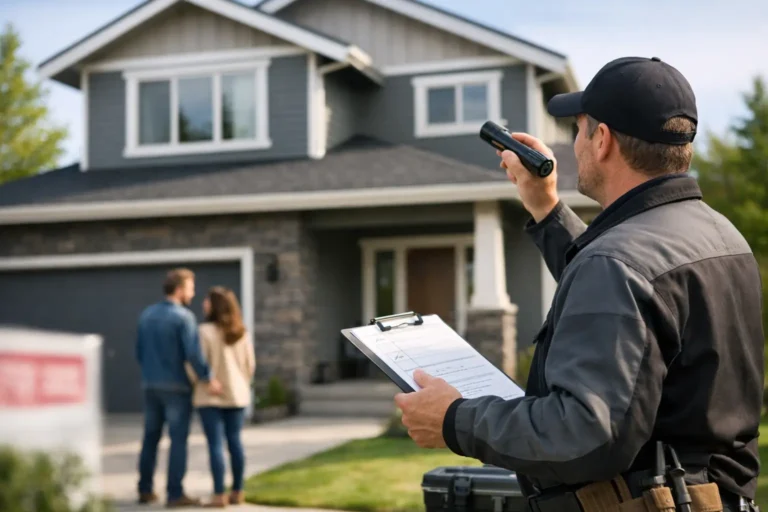
A house can look spotless during a showing and still carry a leaking roof, unsafe electrical work, a tired furnace, or moisture where you cannot see it. Edmonton home inspections give buyers a clearer picture before the removal date arrives and the deal becomes much harder to change.
A proper inspection is not about finding a reason to walk away from every home. Every property has wear, maintenance needs, and imperfections. The point is to identify material concerns, understand what needs attention now versus later, and make a decision with your eyes open.
What Edmonton Home Inspections Should Tell You
A useful inspection report should do more than list hundreds of minor observations. It should answer practical questions: Is there a safety concern? Is a major system near the end of its expected service life? Is there evidence of active water intrusion? What repairs may affect your budget or your negotiations?
That distinction matters. A loose cabinet handle is not in the same category as an aging electrical panel, a deteriorated roof covering, or signs of foundation movement. Buyers need clear priorities, not a bloated document that makes every small defect sound equally urgent.
In the Edmonton area, inspectors regularly see issues tied to our climate, housing age, and construction practices. Freeze-thaw cycles can be hard on grading, concrete, exterior finishes, and roofing. Long winters put real demands on heating equipment. Homes built during different periods can also have very different plumbing materials, insulation levels, electrical components, and ventilation details.
A thorough inspection puts those findings into context. It helps you separate a normal maintenance item from a problem that could become expensive after possession.
The Systems That Deserve Close Attention
A home inspection is a visual, non-invasive evaluation of accessible areas and major systems. That does not mean it is superficial. With the right process and tools, an inspector can uncover concerns that a quick walkthrough will miss.
Roof, attic, and exterior drainage
Roof problems are often expensive because water does not stay where it enters. A small flashing failure or damaged shingle can eventually affect sheathing, insulation, ceilings, and framing. The roof should be assessed for visible wear, damaged coverings, flashing concerns, drainage issues, and signs of leakage where accessible.
Attic conditions can tell an important part of the story. Staining, inadequate ventilation, frost patterns, damaged insulation, or moisture can point to a problem that is not visible from the street. Drone 4K roof photography is especially useful when roof slopes, height, weather, or access make a close visual assessment difficult.
Around the exterior, grading and downspout discharge matter more than many buyers realize. Water should move away from the foundation. Poor drainage does not guarantee a wet basement, but it raises the risk and deserves attention before a buyer assumes the lower level is trouble-free.
Foundation, structure, and moisture
Not every crack in concrete means structural failure. Concrete commonly cracks, and the age, location, size, pattern, and related symptoms all matter. Horizontal cracking, substantial displacement, persistent moisture staining, or doors and windows that do not operate properly can warrant a closer look.
Moisture testing and thermal imaging can help identify areas that deserve further investigation. Thermal imaging does not see through walls or diagnose every hidden defect. It detects temperature differences, which can be associated with missing insulation, air leakage, moisture, or heating concerns. Those findings need to be verified with experience and appropriate testing rather than treated as a stand-alone answer.
The same applies to basement odors, fresh paint in one isolated area, or newly installed flooring. None automatically proves a problem, but each can be a reason to look more carefully.
Heating, plumbing, and electrical
Mechanical systems are where deferred maintenance often becomes a costly surprise. An inspection should consider the visible condition and operation of the furnace, water heater, air conditioning equipment where present, accessible ductwork, plumbing fixtures, drains, and visible supply lines.
Age is part of the conversation, but age alone is not a verdict. A well-maintained older furnace may continue operating reliably, while a newer unit with poor installation or maintenance history may need attention. Buyers should know what is functioning at the time of inspection, what appears near the end of its typical life cycle, and where a specialist evaluation is justified.
Electrical testing is equally important. Improperly wired outlets, missing ground-fault protection in appropriate locations, overloaded panels, exposed wiring, and amateur modifications can create real safety concerns. A clear report should identify the issue, explain why it matters, and recommend a qualified electrician when the repair falls outside normal maintenance.
Why the Inspection Timing Matters
The best time for an inspection is after an accepted offer and before conditions are removed. This is the window when the information can still protect you. If an inspection reveals a significant concern, you may be able to request repairs, negotiate a price adjustment, seek a credit where appropriate, obtain further evaluation, or decide the property no longer fits your risk tolerance.
Do not wait until the final walkthrough. A final walkthrough confirms that the home is generally in the expected condition and included items remain in place. It is not a substitute for a full inspection.
If you are buying in winter, some limitations are unavoidable. Snow can conceal parts of a roof, grading, decks, and exterior surfaces. Frozen ground can limit assessment of drainage. An experienced inspector should explain those limitations plainly and use available tools to assess what can be assessed. Winter is not a reason to skip the inspection. It is a reason to understand what may need follow-up when conditions allow.
What to Do With the Report
The report should help you act, not leave you guessing. Read the summary first, then review the supporting photos and details for the significant items. Focus on safety issues, active leaks, structural concerns, major system failures, and conditions likely to require substantial spending soon.
For a newer home, the conversation may center on installation defects, drainage, ventilation, or incomplete items. For an older home, you may be weighing an aging roof, older plumbing, electrical updates, insulation, or the condition of original mechanical equipment. Neither situation is automatically better. The right purchase depends on price, your repair budget, your plans for the home, and your willingness to manage improvements.
When a report recommends further evaluation, take it seriously. A home inspector identifies visible concerns and provides an informed assessment, but specialists may be needed to determine repair scope and cost. A roofing contractor, electrician, plumber, HVAC technician, structural engineer, or drainage professional can provide the next level of analysis when warranted.
Keep your requests reasonable and focused. Trying to negotiate every small maintenance item can distract from the issues that truly affect your decision. A better approach is to address material defects and use the report to plan for the rest.
What a Buyer Should Expect From the Inspector
You should be able to ask questions without feeling rushed or talked down to. The inspector should explain findings in plain English, distinguish observed facts from recommendations, and be available after the inspection when you need clarification.
At JBR Inspections, the goal is not to overwhelm buyers with technical language or a generic checklist. It is to provide a thorough, owner-led assessment supported by thermal imaging, moisture testing, electrical testing, and roof photography, followed by a same-day digital report that makes the next step clear.
No inspection can guarantee that a home will never need repairs. Walls are not opened, underground systems are not excavated, and inaccessible areas cannot be fully evaluated. But a careful inspection substantially reduces the chance that you will take possession without knowing about visible warning signs.
Buying a home always involves some uncertainty. Do not let avoidable uncertainty be the part that costs you. Use the inspection period to ask direct questions, get the right specialists involved when needed, and make the decision that fits both the home and your budget.