
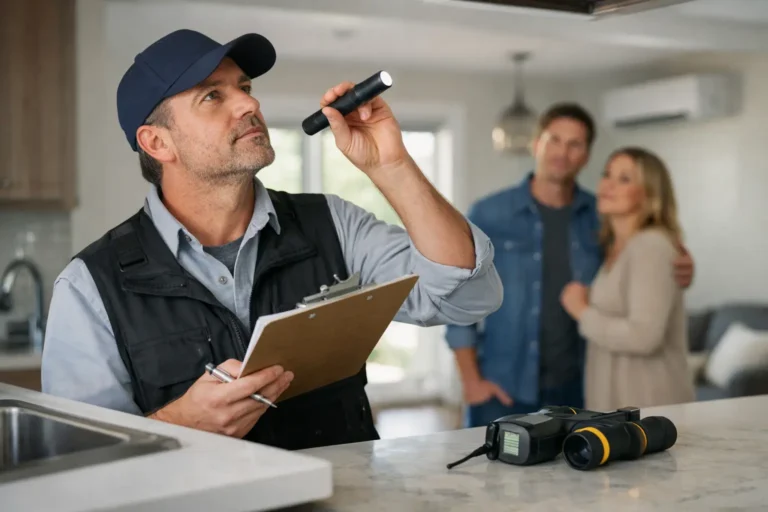
A house can look move-in ready during a 20-minute showing and still hide a leaking roof penetration, unsafe wiring, a failing furnace, or moisture where it should not be. That is why buyers ask, what does a home inspection include? The useful answer is not just a checklist. A proper inspection gives you a clear picture of the home’s visible condition, the risks that may affect your budget, and the questions that need answers before you remove conditions or close.
For Edmonton-area buyers, the stakes are real. Hard winters, freeze-thaw cycles, aging housing stock, and quick real estate timelines can turn a small overlooked defect into an expensive surprise. A professional home inspection is designed to slow that process down long enough for you to make an informed decision.
What Does a Home Inspection Include?
A standard residential inspection is a non-invasive visual assessment of a home’s accessible systems and components. The inspector evaluates what can be safely seen and operated on the day of the inspection, then documents material defects, safety concerns, maintenance needs, and items that may need further review by a qualified specialist.
The exact scope can vary with the property, its age, weather conditions, and what is accessible. A condo inspection will not include the same exterior and site review as a detached house, for example. A snow-covered roof cannot be assessed the same way as a clear, dry roof. But a thorough inspection should generally cover the structure, exterior, roof, interior, plumbing, electrical system, heating and cooling, insulation, ventilation, and built-in appliances.
At JBR Inspections, thermal imaging, moisture testing, electrical testing, and 4K drone roof photography add useful evidence to the visual inspection. These tools do not replace professional judgment. They help identify concerns that deserve closer attention before they become your problem.
Exterior, Site, and Structural Components
The inspection usually begins outside because water management and structural movement can affect everything else in the home. Your inspector looks at the grading around the property, walkways, decks, stairs, exterior cladding, windows, doors, gutters, downspouts, and visible foundation areas.
The goal is to spot conditions that allow water to collect against the house or enter the building envelope. Poor grading, disconnected downspouts, damaged siding, failed caulking, and deteriorated window seals may seem minor on their own. Left alone, they can contribute to moisture damage, mold conditions, rot, or foundation concerns.
Visible foundation cracks are also assessed in context. Not every crack means a major structural failure. Hairline shrinkage cracks are common in concrete. Wider cracks, horizontal movement, repeated patching, water staining, or evidence of settlement require a more careful look. A good inspection report explains what was observed and whether specialist assessment is sensible, rather than using vague language that leaves you guessing.
Roof, Attic, and Drainage
The roof is one of the most expensive systems to repair, and it is also one of the easiest to overlook from the ground. A home inspection includes a review of visible roofing materials, flashing, vents, valleys, chimney details, gutters, and roof drainage. Drone photography can provide a safer and clearer view when a roof is too steep, high, or unsafe to walk.
Inspectors also look inside the attic when access allows. There, they may find staining from past leaks, inadequate insulation, poor ventilation, damaged roof sheathing, or bathroom fans exhausting into the attic instead of outdoors. In Edmonton, attic ventilation and insulation deserve close attention because heat loss and condensation can lead to frost buildup during winter.
An inspector can identify signs of wear or damage, but cannot guarantee how many years a roof has left. Weather, installation quality, and past repairs all matter. If roof conditions are unclear, ask for a roofing contractor’s opinion before closing rather than assuming a few missing shingles are the only issue.
Plumbing and Water-Related Risks
A home inspection reviews visible supply lines, drain pipes, fixtures, sinks, toilets, tubs, showers, water heaters, and accessible shutoff valves. The inspector runs fixtures, checks for active leaks, looks for slow drainage, and notes signs of corrosion, poor repairs, or moisture damage below sinks and around bathrooms.
Piping material matters, particularly in older homes. Certain materials may be more prone to corrosion, leakage, or insurance concerns. The report should identify visible pipe types where possible and explain practical next steps if the material or condition presents a risk.
Moisture testing is especially valuable around showers, tubs, laundry areas, kitchen cabinets, and basement walls. A dry-looking surface does not always tell the full story. Elevated moisture readings can point to an active leak, a failed seal, or a problem that needs further investigation.
A standard inspection does not involve opening walls, scoping sewer lines, or testing every inch of underground plumbing. If there are drainage concerns, older sewer materials, large trees near the line, or signs of backup, a separate sewer scope is often a smart additional step.
Electrical System and Safety Checks
Electrical problems are not always obvious. A home can have working lights and outlets while still containing unsafe panel conditions, improper wiring, missing protection, or amateur repairs.
A home inspection includes a review of the main electrical panel, accessible wiring, breakers, grounding, representative outlets, switches, lights, and safety devices such as GFCI protection where required. The inspector checks for visible hazards including double-tapped breakers, exposed wiring, open junction boxes, improper panel labeling, and outdated equipment.
Testing outlets and electrical components helps identify conditions that a walkthrough will miss. Still, an inspection is not a full electrical code compliance audit, and inspectors do not dismantle the panel or open finished walls. If the inspection identifies aluminum wiring, a recalled panel, extensive ungrounded outlets, or evidence of unsafe modifications, bring in a licensed electrician for a full assessment and repair estimate.
Heating, Cooling, and Ventilation
Mechanical systems can be costly to replace, so buyers need more than a quick glance at the furnace. The inspection includes visible components of the heating system, central air conditioning when conditions allow testing, water heater, humidifier, fireplaces, ventilation equipment, and accessible ductwork.
The inspector operates systems using normal controls, observes their response, and looks for visible defects such as corrosion, leaking condensate lines, improper venting, damaged flues, or poor installation. The age and apparent condition of equipment are also noted because an older system may be functioning today while nearing the end of its expected service life.
That distinction matters during negotiations. A 20-year-old furnace that is heating properly is not necessarily an immediate replacement demand. It is, however, a budget item you should understand before committing to the purchase. An honest report separates immediate safety or performance concerns from predictable future expenses.
Interior Rooms, Insulation, and Built-In Features
Inside the home, the inspection covers walls, ceilings, floors, doors, windows, stairs, railings, cabinets, and accessible insulation. The inspector watches for cracks, water stains, uneven floors, damaged finishes, window operation issues, and safety defects such as loose railings or missing handrails.
Thermal imaging can help identify unusual temperature patterns that may relate to missing insulation, air leakage, moisture, or electrical heat. It is not X-ray vision, and a thermal image alone does not prove the cause of a problem. Used alongside moisture readings and a visual assessment, though, it can direct attention to areas that need a closer look.
Built-in appliances are generally operated on a basic functional basis, including items such as the dishwasher, range, hood fan, garage door opener, and laundry connections when present. This is not the same as a full appliance performance test. The inspector can report that a dishwasher did not drain or a garage door reversed improperly, but cannot predict whether an appliance will fail next month.
What a Home Inspection Does Not Include
A thorough inspection has limits, and a trustworthy inspector is clear about them. It is not a warranty, an appraisal, a municipal code inspection, or a guarantee that no defects exist. Inspectors cannot see behind finished walls, under flooring, inside sealed ceilings, or beneath snow and stored belongings.
Specialized concerns may require separate testing or evaluation. Depending on the property, that can include asbestos, radon, mold sampling, septic systems, wells, pools, underground oil tanks, sewer lines, structural engineering, or pest activity. Your inspection findings and the home’s age should guide which additional services are worth considering.
How to Use the Inspection Report Before Closing
The report should not overwhelm you with every cosmetic imperfection. Its value is in helping you prioritize. Focus first on safety hazards, active water intrusion, structural concerns, electrical risks, major mechanical deficiencies, and repairs with a high potential cost.
Then use the findings to decide what comes next. You may request repairs, seek a price adjustment, ask for contractor quotes, negotiate a credit, or accept the property with a realistic repair budget. In some cases, the findings may show that the home is not the right fit at the agreed price. That is not a failed inspection. That is the inspection doing its job.
Before you sign away your inspection condition, take the time to ask questions. Make sure you understand what is urgent, what is manageable, and what requires specialist review. The right inspection does not make a home perfect. It gives you the facts to buy it with your eyes open.