
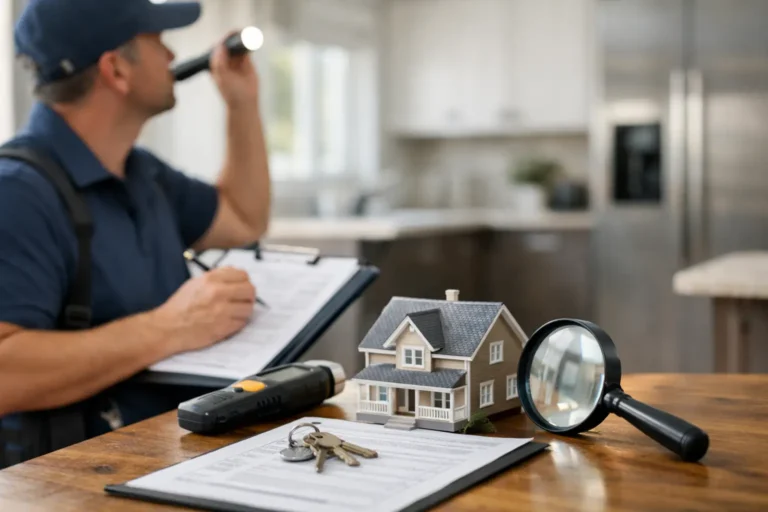
A home can look clean, updated, and move-in ready during a showing while hiding an aging roof, moisture behind a finished wall, unsafe electrical work, or a furnace near the end of its service life. That is why home inspection cost should be measured against the decisions it helps you make before subjects are removed – not against the cheapest quote available.
For Edmonton buyers, a professional inspection is a practical way to understand what you are buying, what may need attention soon, and where you may have room to negotiate. The right inspection does not promise a perfect house. It gives you clear information so you can move forward, renegotiate, budget for repairs, or walk away with your eyes open.
What Does a Home Inspection Cost in Edmonton?
Most standard home inspections in the Edmonton area commonly fall in the range of roughly $450 to $750 CAD. Smaller condos may cost less, while large, older, rural, or more complex properties can cost $800 or more. The exact price depends on the property, not just the square footage listed on the real estate page.
A basic condo unit with accessible systems takes less time to inspect than a 3,000-square-foot home with multiple furnaces, an older electrical panel, a finished basement, detached garage, and a steep roof. A proper inspector prices the work based on the time and expertise required to assess the home properly.
Be careful when comparing quotes that appear dramatically lower than the local average. A lower price may reflect a shorter appointment, fewer inspection tools, limited roof assessment, delayed reporting, or a report that lists defects without explaining what they mean to you. Saving $100 on the inspection is not much of a win if a rushed inspection misses a costly issue.
What a Thorough Inspection Should Include
A home inspection is a visual, non-invasive assessment of the home’s major accessible systems and components. It is not a warranty, an appraisal, or a guarantee that nothing will fail after possession. Homes are complicated, and some areas are concealed behind walls, stored belongings, snow, ice, or finishes.
Still, a thorough inspection should cover far more than a quick walk through the house. You should expect the inspector to assess the roof, exterior, structure, foundation, grading, attic, insulation, interior, plumbing, electrical system, heating, cooling where present, and visible moisture concerns.
The strongest inspections also use tools to help identify conditions that are not obvious to the naked eye. Thermal imaging can reveal unusual temperature patterns that may point to missing insulation, air leakage, or possible moisture concerns. Moisture testing can help determine whether a stain is active or historic. Electrical testing can identify unsafe outlets, reverse polarity, missing ground protection, or other issues that deserve correction.
Roof access is another major point. Edmonton weather is hard on roofing, and a roof issue can become an interior moisture issue quickly. Drone 4K roof photography is especially useful when the roof is steep, high, snow-covered, or otherwise unsafe to walk. It gives buyers a clearer view of visible roof conditions rather than relying on a ground-level guess.
At JBR Inspections, thermal imaging, moisture testing, electrical testing, and drone roof photography are part of the inspection approach because buyers need usable evidence, not vague reassurance. The report should also arrive quickly, ideally the same day, while you are still making decisions within a tight condition period.
Why Prices Vary From One Home to Another
The size of the home matters, but it is only one part of the equation. Two homes with the same square footage can require very different inspection times.
Age and construction type
Older homes often have more layers of history. An inspector may find older wiring methods, cast iron or galvanized plumbing, previous renovations, foundation movement, attic ventilation problems, or equipment that has been repaired beyond its practical life. These homes deserve extra time and attention.
Newer homes are not automatically simple either. New construction can still have grading problems, incomplete insulation, roof defects, loose fixtures, drainage concerns, or installation errors. A newer home may have fewer age-related issues, but it should not be treated as an inspection-free purchase.
Size, layout, and extra systems
A larger home takes longer to inspect because there is simply more of it. Multiple bathrooms, kitchens, furnaces, electrical panels, fireplaces, garages, outbuildings, decks, and suites all add components that need to be checked.
A home with a secondary suite can require particular attention. Separate electrical circuits, plumbing changes, heating arrangements, and fire separation details can affect both safety and future costs. The same is true for homes with additions, converted garages, or extensive DIY renovations.
Accessibility and seasonal conditions
Inspectors can only inspect what they can access safely. Heavy storage against foundation walls, locked utility rooms, low-clearance crawlspaces, thick snow on a roof, or a blocked attic hatch can limit the scope. These limitations should be documented clearly in the report so you know what was and was not assessed.
Winter inspections in Edmonton still provide valuable information, but some exterior conditions may be hidden by snow and frozen ground. That does not make the inspection less worthwhile. It simply means a good inspector explains the limits and may recommend follow-up review of specific items when conditions permit.
The Real Cost of Choosing a Cheap Inspection
The inspection fee is one of the smallest costs in a real estate transaction. A failing water heater, an unsafe electrical panel, damaged roof covering, improper drainage, or a furnace approaching replacement can each cost far more than the inspection itself.
More importantly, the value is not limited to finding one major defect. An inspection can give you a realistic repair plan. Perhaps the home is still a good purchase, but you now know that the attic insulation needs improvement, the dishwasher supply line should be replaced, the grading needs correction, and the furnace should be budgeted for within a few years. That is useful information when you are deciding how much cash to keep after closing.
The report can also give your real estate conversation more substance. Instead of saying the home seems to need work, you can identify specific visible conditions, their likely significance, and which items should be reviewed or corrected by qualified contractors. Not every defect should become a negotiation demand. Cosmetic wear, expected maintenance, and minor repairs are part of owning a home. Safety issues, active moisture concerns, major system deficiencies, and expensive near-term repairs are different.
Questions to Ask Before You Book
Do not choose an inspector based on price alone. Ask what the inspection includes, whether thermal imaging is used, how the roof is assessed, and when you will receive the report. Ask whether you can speak directly with the inspector after the appointment and whether the report prioritizes the findings that matter most.
You should also ask about local experience. Edmonton-area homes deal with deep frost, rapid temperature swings, snow load, ice damming, basement moisture concerns, and aging housing stock in established neighborhoods. An inspector who understands local construction and local failure patterns can explain why a condition matters in this climate.
A long report is not automatically a better report. You need a report that is thorough, supported by photos, and written in plain English. The goal is not to bury you in technical language. The goal is to show you what needs attention now, what should be monitored, and what you should plan for over time.
When an Inspection May Cost More – and Be Worth It
Some situations call for additional evaluation beyond a standard home inspection. If there are signs of structural movement, sewer line concerns, suspected mold, asbestos-containing materials, vermiculite insulation, wood-destroying insects, or a well and septic system, a specialist may be needed.
That is not a failure of the inspection. It is the inspector doing the job properly by recognizing when a condition requires a more specific assessment. A general home inspector identifies visible concerns and helps you understand the next sensible step. Specialists provide the deeper diagnosis, testing, or repair design when the evidence calls for it.
Before you submit an offer or remove your inspection condition, look at the fee in the context of the purchase you are about to make. A careful inspection gives you more than a checklist. It gives you the information to make a clear, confident decision before a small unknown becomes an expensive surprise after closing.