
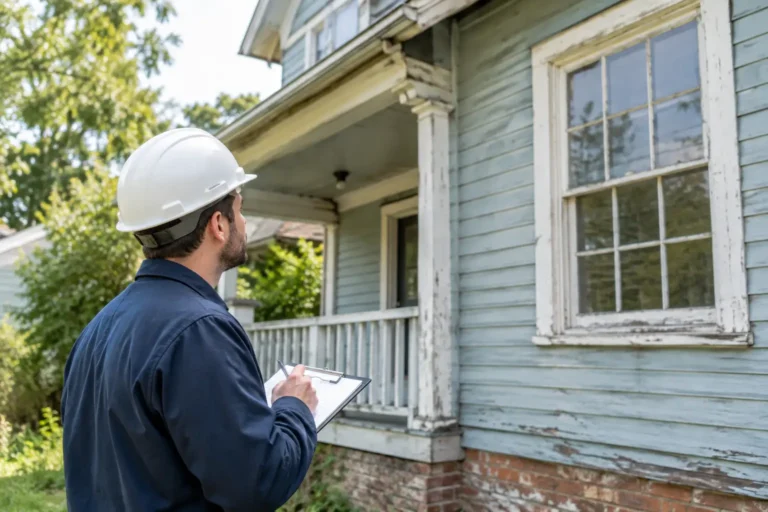
An older home can have solid construction, established character, and a neighborhood you may not find in a new development. It can also carry decades of repairs, renovations, and deferred maintenance behind finished walls and fresh paint. The top inspection issues in older homes are rarely about one scary defect. More often, they are several aging systems that deserve a clear plan before you remove conditions.
For buyers in Edmonton and surrounding communities, age alone is not a reason to walk away from a property. A well-maintained 1960s home may be a better purchase than a poorly maintained home built 20 years ago. The real question is what has been updated, what is nearing the end of its service life, and what hidden conditions could change your repair budget after possession.
Electrical systems that no longer match modern demand
Older electrical systems were designed for a different way of living. Homes once had fewer appliances, fewer electronics, and far less demand on each circuit. Today, buyers expect to run kitchen appliances, computers, air conditioners, garage equipment, and charging devices safely and reliably.
During an inspection, warning signs can include an older fuse panel, aluminum branch wiring, ungrounded outlets, double-tapped breakers, open junction boxes, or evidence of amateur wiring. Knob-and-tube wiring may also be present in some of the oldest properties. None of these findings automatically mean a home is unsafe or uninsurable, but they need to be understood properly.
The cost and scope depend on what is actually found. Replacing a few unsafe receptacles is very different from upgrading a service panel or rewiring portions of a house. Electrical testing helps identify concerns that a quick walkthrough will miss, including outlets with incorrect polarity, missing grounds, or circuits that are not protected where they should be.
Foundation movement and moisture at the lower level
A crack in a foundation wall is not automatically a structural emergency. Concrete cracks. Homes settle. Edmonton’s freeze-thaw cycles, soil conditions, grading, and water management can all affect how a foundation performs over time.
What matters is the type of crack, its location, whether there is displacement, and whether moisture is entering the home. Horizontal cracking, significant stair-step cracking in block walls, bowing, recurring water stains, or active leakage deserve closer attention. So do poorly sloped yards, downspouts that discharge beside the foundation, and damaged or missing eavestrough extensions.
Basements often tell the real story. A finished basement can look clean while hiding staining, musty odors, elevated moisture readings, or past repairs behind wall finishes. Thermal imaging and moisture testing are useful tools here because they can point to conditions that are not obvious to the eye. They do not replace further evaluation when a serious issue is suspected, but they help identify where questions need to be asked.
Buyers should also separate a manageable maintenance item from a large repair. Improving grading and extending downspouts may prevent future water entry at a reasonable cost. Structural movement or a recurring drainage failure is a different conversation and may warrant quotes from qualified specialists before closing.
Aging plumbing and hidden leak risks
The plumbing in an older home may include materials that are no longer common, such as galvanized steel supply piping, cast iron drains, older copper connections, or polybutylene piping in homes from certain eras. Each has its own risks, and the concern is not simply the material itself. Condition, installation quality, water pressure, visible corrosion, and past repairs all matter.
Galvanized supply lines can corrode internally and restrict water flow over time. Cast iron drainage piping may deteriorate from the inside out. Older shutoff valves can fail when they are finally operated, and slow leaks below sinks, around toilets, or near appliances can damage cabinets, subfloors, and finished ceilings without creating an obvious puddle.
An inspection should include operating accessible fixtures, checking visible plumbing, looking for leaks and staining, and assessing water pressure and drainage behavior where practical. A home inspection cannot see every pipe inside every wall, but it can reveal signs that the plumbing system needs budgeting, further investigation, or a targeted repair before it becomes an after-possession surprise.
Roof coverings, attic ventilation, and water intrusion
Roof problems are among the most expensive issues buyers overlook because the roof may appear acceptable from the ground. Shingles can be near the end of their service life even when they are not visibly missing. Flashing around chimneys, skylights, vents, and wall intersections can fail before the main roof covering does. Older homes may also have more than one layer of roofing, which adds weight and can hide the condition of the roof deck.
Inside, the attic may reveal more than the roofline. Water staining, mold-like growth, compressed insulation, poor ventilation, and frost accumulation can point to air leakage or moisture issues. In an Edmonton winter, warm interior air escaping into a cold attic can create condensation and frost. When temperatures rise, that frost melts and can look like a roof leak.
This is why roof findings need context. A stain does not always mean an active leak, and a new roof does not automatically solve an attic ventilation problem. At JBR Inspections, 4K drone roof photography helps provide a clearer view of roof surfaces and hard-to-see areas without relying on guesswork from the driveway.
Heating equipment and aging mechanical systems
A furnace, water heater, and air-conditioning system can still operate while being close to replacement. Buyers should not expect a home inspection to predict the exact day a mechanical system will fail. What an inspection can do is identify its approximate age, visible condition, installation concerns, signs of unsafe operation, and whether it is functioning at the time of the inspection.
Older furnaces may have corrosion, damaged venting, dirty filters, inadequate clearances, or evidence of incomplete servicing. Water heaters can show rust, leakage, missing safety features, or aging components. In older homes, mechanical upgrades may also have been added around existing framing, wiring, and ductwork, creating installation issues that deserve attention.
A system near the end of its typical service life is not necessarily a deal-breaker. It is a budgeting item. The difference matters. If the furnace works safely today but is 20 years old, a buyer may negotiate based on anticipated replacement costs. If it shows signs of unsafe venting or does not operate properly, the urgency is higher.
Insulation, ventilation, and energy loss
Many older homes have less insulation than current standards, uneven attic coverage, or air leaks around hatches, plumbing penetrations, windows, and exterior walls. These issues can make rooms uncomfortable, raise utility costs, and contribute to attic moisture problems.
Buyers sometimes focus on replacement windows as the answer. Windows matter, but they are not always the first or most cost-effective improvement. Air sealing, attic insulation, ventilation corrections, and weatherstripping can make a meaningful difference. The right approach depends on the home’s construction and whether moisture is already present.
Thermal imaging can help identify temperature differences that suggest missing insulation or air leakage. It is most useful when paired with visual observations and moisture testing, not treated as a stand-alone diagnosis. A cold spot can have several causes, and a good inspector explains what is known, what is suspected, and what should happen next.
Renovations that were never properly finished
Older homes are often renovated in stages. A kitchen may be updated while the wiring behind it remains original. A basement may be finished around old plumbing. A bathroom refresh may cover ventilation or moisture problems instead of fixing them.
Look beyond attractive finishes. Uneven floors, improperly supported beams, missing handrails, loose fixtures, poor bathroom exhaust, unprotected wiring, and questionable alterations to framing can all affect safety, performance, and future repair costs. Permits and documentation can provide useful context, but visible workmanship and current conditions still need to be assessed.
A thorough inspection is not meant to turn every older-home finding into a crisis. It is meant to give you leverage and clarity. You may decide the home is worth buying with a realistic repair reserve, request repairs, negotiate the price, or bring in a specialist before moving ahead.
The best older homes are not the ones with no history. They are the ones whose history is clear enough for you to make a confident decision, with your eyes open and your budget grounded in reality.