
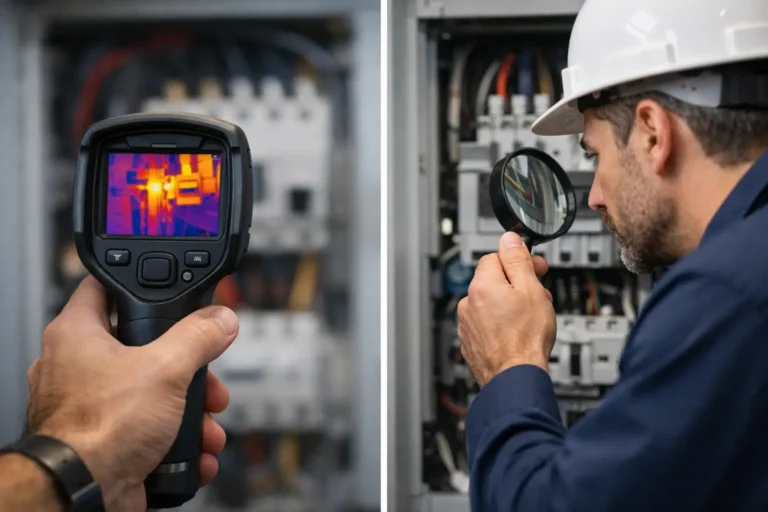
A home can look well cared for during a walkthrough and still have trouble developing behind a finished wall, beneath insulation, or inside an electrical panel. That is where thermal imaging versus visual inspection becomes more than a technical comparison. For Edmonton-area buyers, it can mean the difference between buying with a clear repair plan and inheriting a surprise that was never visible to the naked eye.
Visual inspection remains the foundation of a proper home inspection. Thermal imaging adds another layer of evidence when conditions allow. Neither method replaces the other, and a camera image by itself is not a diagnosis. Used together by an experienced inspector, they help reveal patterns that deserve a closer look before conditions are removed and the deal closes.
What a visual inspection can tell you
A visual inspection is exactly what it sounds like, but it is far more involved than a quick walk through the house. A qualified home inspector evaluates accessible areas and visible components: the roof covering, exterior cladding, foundation, grading, attic, plumbing fixtures, electrical system, heating equipment, cooling equipment, insulation, windows, doors, and more.
The inspector is looking for direct signs of defects. A water stain on a ceiling, rust below a shutoff valve, damaged shingles, a cracked foundation wall, missing insulation, or an improperly wired outlet can often be identified visually and documented clearly.
This work also relies on experience. A small stain may point to an active roof leak, an old repair, condensation, or a plumbing issue above. A crack may be minor shrinkage or a sign that movement needs further evaluation. The visible condition matters, but so does understanding what it may mean for the buyer.
Visual inspection is especially effective when a defect has already left physical evidence. It also allows the inspector to assess workmanship, maintenance, accessibility, safety concerns, and the overall condition of systems. A thermal camera cannot determine whether a furnace is at the end of its service life or whether a roof has damaged flashing. Those judgments still require a careful inspection on site.
Thermal imaging versus visual inspection: the real difference
Thermal imaging detects surface temperature differences. It does not see through walls, identify every hidden defect, or measure moisture directly. What it can do is show an unusual temperature pattern that may not be visible under normal lighting.
For example, a cooler area on a ceiling could be caused by missing attic insulation, air leakage, a wet area, or a change in building materials. A warm electrical connection may indicate a loaded circuit or a potential issue that should be investigated. A cold strip along an exterior wall may reveal insulation gaps or air intrusion.
A visual inspection identifies what can be seen. Thermal imaging helps an inspector see where temperatures are behaving differently than expected. The value comes from combining those findings with moisture testing, electrical testing, site conditions, and the home’s construction details.
That distinction matters. A dramatic-looking thermal image can be misleading without context. Sun exposure, recently used appliances, HVAC operation, furniture against a wall, and outdoor weather can all affect the image. A good inspector does not make a costly claim based on color alone. They investigate the pattern, use appropriate tools, and explain whether it appears to be a concern, a limitation, or a condition worth monitoring.
Hidden issues thermal imaging may help reveal
Thermal imaging is particularly useful because many expensive problems begin out of sight. In Edmonton’s cold climate, temperature differences can make insulation and air-leakage issues easier to spot under the right conditions.
One common example is moisture. Water often changes the temperature of a surface as it evaporates or affects surrounding materials. If a thermal scan identifies a suspicious cool area below a bathroom, around a window, or on a finished basement ceiling, the inspector can check the area with a moisture meter and look for plumbing, roof, exterior, or condensation sources.
Electrical concerns are another practical use. An overheated breaker, connection, or electrical component can sometimes show up as a warmer-than-expected area. Not every warm component is defective. Electrical systems carry load, and some temperature variation is normal. But a significant difference can provide a reason to recommend further evaluation by a qualified electrician before it becomes a safety issue.
Thermal imaging can also help identify areas where insulation is missing, compressed, or uneven. That does not always mean an immediate major repair, but it gives buyers a more realistic picture of comfort, energy performance, and possible improvement costs. In a home with finished walls and ceilings, this information can be hard to obtain any other way without opening surfaces.
Where thermal imaging has limits
Homebuyers should be wary of anyone who presents thermal imaging as X-ray vision. It is a valuable inspection tool, not a magic one.
A camera reads the temperature of the surface it sees. It cannot confirm the exact material behind drywall, tell how long a leak has existed, or prove that a temperature anomaly is active moisture without further testing. It may also miss problems when weather conditions do not create enough temperature contrast.
For instance, a water leak may not appear thermally distinct if the area is dry at the time of the inspection. An insulation deficiency may be harder to identify on a mild day with little difference between indoor and outdoor temperatures. A blocked drain line, a concealed structural defect, or a roof leak that only occurs during wind-driven rain may show no thermal evidence at all.
That is why the best inspection process does not depend on one tool. It uses visual observations, thermal imaging, moisture measurements, electrical testing, operational checks, and sound professional judgment. When there is a concern outside the scope of a home inspection, the report should clearly explain what was observed and who should evaluate it further.
Why buyers benefit from both methods
A house purchase is not the time to settle for a surface-level opinion. Buyers need useful information quickly: what needs immediate attention, what should be budgeted for, and what deserves a contractor’s opinion before removing conditions.
Consider a finished basement with no obvious staining. A visual inspection may find no visible evidence of moisture. If thermal imaging identifies a cooler pattern along the lower wall and a moisture meter confirms elevated readings, that changes the conversation. The cause may be minor condensation, poor exterior drainage, or a more significant foundation moisture issue. The inspection may not determine the final repair, but it gives the buyer a legitimate issue to investigate and negotiate.
The same applies to an attic. Visual inspection can identify visible roof leaks, damaged sheathing, ventilation concerns, and insulation depth. Thermal imaging may help locate uneven insulation or air leakage around recessed lights, attic hatches, and exterior wall transitions. Together, those findings provide a fuller picture than either method alone.
For buyers, the goal is not to produce the longest possible report. It is to identify meaningful defects and explain the next step in plain English. A concise finding that says, “Elevated moisture was detected below the upstairs bathroom; recommend a qualified plumber investigate before closing,” is more useful than pages of vague technical language.
Questions to ask about thermal imaging in a home inspection
Before booking an inspection, ask whether thermal imaging is included or treated as an extra service. Ask whether the inspector also uses a moisture meter when an anomaly suggests possible water intrusion. Ask how findings are documented and whether you can speak directly with the inspector after receiving the report.
It is also reasonable to ask about limitations. An honest inspector will tell you that thermal imaging depends on conditions and cannot detect every concealed defect. That transparency is a good sign. The point is not to promise certainty where none exists. The point is to reduce unknowns before you commit to one of the largest purchases you will make.
At JBR Inspections, thermal imaging is used on every home as part of a thorough, practical assessment, alongside visual evaluation, moisture testing, electrical testing, and clear same-day reporting. The camera supports the inspection. It does not replace the judgment behind it.
When you are standing in a house you may own within days, ask for more than a quick look at what is obvious. A careful inspection should help you see the home as it is, identify what needs attention, and make your next decision with your eyes open.