
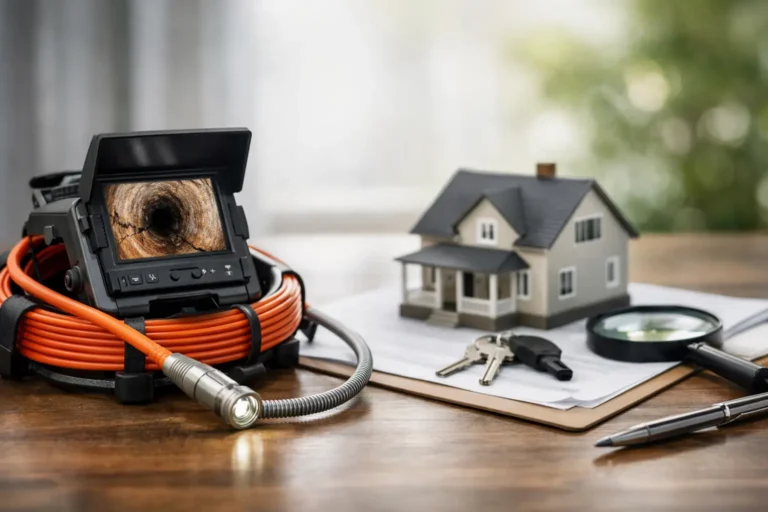
A clean-looking basement and working toilets do not prove the sewer line is in good shape. Water can still drain normally through a pipe with root intrusion, cracked sections, offsets, or heavy buildup. That is why a sewer scope comparison matters before you remove conditions on a home purchase. A standard home inspection gives you valuable information about visible plumbing components and drainage performance. A sewer camera inspection answers a different question: what is happening inside the buried line that carries waste from the home to the municipal connection?
For Edmonton-area buyers, this distinction can be expensive. Repairing or replacing a sewer line may involve excavation, landscaping damage, driveway removal, permit requirements, and a bill that can quickly move beyond a normal maintenance expense. The right inspection choice is not about adding every possible service. It is about identifying risks that are hard to see and costly to fix after closing.
Sewer Scope Comparison: Standard Inspection vs. Camera Inspection
A standard home inspection assesses the accessible and visible parts of a home’s plumbing system. The inspector operates fixtures where practical, checks for leaks under sinks, observes water pressure and drainage, reviews visible supply and drain piping, and looks for signs of moisture damage or improper installation. This work can identify real concerns, including slow drains, active leaks, old piping materials, poor fixture performance, and evidence of past water damage.
What it cannot do is see through several feet of soil and into the underground sewer lateral. The sewer lateral is the private pipe running from the house to the city sewer connection. It is usually inaccessible without a camera scope. A home can pass a basic drain test during an inspection while still having a deteriorated or partially obstructed buried line.
A sewer camera inspection uses a specialized camera fed through an accessible cleanout or, in some cases, another suitable entry point. The operator observes the pipe’s interior, notes the pipe material and approximate route where possible, and documents conditions that may affect function or remaining service life. The result is not just a video of a pipe. When done properly, it is evidence a buyer can use to understand risk and decide what to do next.
Neither service replaces the other. The home inspection gives you a broad assessment of the property and its major systems. The sewer scope is a focused investigation of one hidden system with a high potential repair cost.
What a Sewer Scope Can Find
The biggest advantage of a sewer scope is that it can identify defects before they become a backup in your new home. Some issues are obvious on camera. Others require experience to interpret because a line may still be flowing despite a developing problem.
Common findings include root intrusion, which occurs when tree roots enter pipe joints or cracks in search of moisture. Roots can be cut or cleared, but recurring intrusion may point to failing joints or a damaged pipe that needs a longer-term repair.
The camera may also reveal cracks, fractures, separated joints, crushed sections, or pipe offsets. An offset occurs when one section of pipe has shifted away from the next, creating a lip that catches waste and paper. In areas with ground movement, age-related settlement, or older construction, these defects deserve close attention even if the line is not fully blocked today.
Bellies are another concern. A belly is a low section of pipe that holds water because the line no longer maintains proper slope. Some standing water can be minor, but a significant belly can collect debris and lead to repeat backups. The scope may also show scale buildup in older cast-iron piping, grease accumulation, construction debris, or a line that cannot be fully inspected because it is obstructed.
Pipe material matters as well. Older homes may have clay tile, cast iron, Orangeburg, or other legacy materials. Material alone does not automatically mean replacement is required. Condition is what matters. Still, knowing the material helps a buyer understand likely maintenance needs, repair options, and how cautiously to budget.
When a Sewer Scope Is Most Worthwhile
A sewer scope is often a smart move for any property with a private buried sewer lateral, but the value is especially clear in certain situations. Older homes are an obvious example, particularly where original underground piping may still be in service. Mature trees near the sewer route also raise the likelihood of root-related issues.
Buyers should also consider a scope when the home has slow drains, a history of backups, recent drain cleaning, fresh basement finishing that hides prior moisture evidence, or a seller disclosure that is unclear about sewer repairs. A recently renovated home is not automatically low risk. New flooring and paint can make a property look finished while the buried line remains original.
A newer home can still justify a sewer camera inspection. Construction debris, poor installation, settlement, and damage from heavy equipment can affect newer lines. The probability may be lower depending on the property, but the replacement cost has not become cheap.
The decision ultimately depends on the home’s age, lot conditions, visible plumbing clues, available records, and your tolerance for financial risk. If a sewer repair after closing would seriously disrupt your budget, getting more information before closing is usually the practical choice.
Comparing the Cost to the Potential Exposure
Buyers sometimes skip a sewer scope because they are trying to control pre-purchase costs. That is understandable. A real estate transaction adds up quickly, and not every property will have a sewer problem.
The better comparison is not between the price of a scope and zero dollars. It is between the price of a scope and the potential cost of discovering a buried defect after you own the home. Clearing a simple blockage may be manageable. Repairing a broken section or replacing a failed lateral can be far more disruptive, especially if excavation crosses a landscaped yard, sidewalk, or driveway.
A scope can also prevent the opposite mistake: assuming the worst based on an older home, a slow drain, or a vague comment from a contractor. If the camera shows a line in serviceable condition with only minor buildup, you can make decisions based on evidence rather than fear.
How to Read Sewer Scope Findings Without Overreacting
Not every imperfection calls for immediate replacement. Sewer pipes age, and a camera can reveal minor deposits, light root intrusion, or small irregularities that should be monitored rather than treated as a deal-breaker. A clear explanation of severity matters more than alarming language.
Ask practical questions about the finding. Is the line currently flowing? Is the defect isolated or present throughout the pipe? Can it be cleaned, repaired locally, or does it likely require replacement? Is the camera able to reach the municipal connection, or did the inspection stop short? If it stopped, why?
A qualified drain contractor may be needed to provide repair options and pricing when significant defects are found. That estimate can become useful during negotiations, but buyers should avoid treating a single camera image as a final engineering diagnosis. The goal is to understand the condition well enough to request further evaluation, negotiate appropriately, budget for repairs, or walk away if the risk does not fit the purchase.
What to Ask Before Booking a Sewer Camera Inspection
Not all sewer scope services provide the same level of useful information. Confirm whether the service includes recorded video, still images, a written summary of findings, and an explanation of where the camera reached. A report that simply says the line was scoped offers little protection if it does not identify material, defects, limitations, and recommended next steps.
It is also worth asking whether a cleanout is available and accessible. Snow, stored belongings, finished basements, or missing cleanouts can limit access. In some cases, the line cannot be scoped during the inspection appointment without additional preparation or a separate drain service visit. That limitation should be documented clearly rather than guessed at.
At JBR Inspections, the purpose of any added inspection service is the same as the main inspection: give the buyer clear information they can act on. You do not need a bloated report or vague reassurance. You need to know what was observed, what could not be confirmed, and what the finding may mean for your purchase.
A sewer line is easy to ignore because it is buried and usually silent. Before closing, that is exactly the kind of risk worth checking when the property, its age, or its visible clues suggest the answer could affect your decision.