
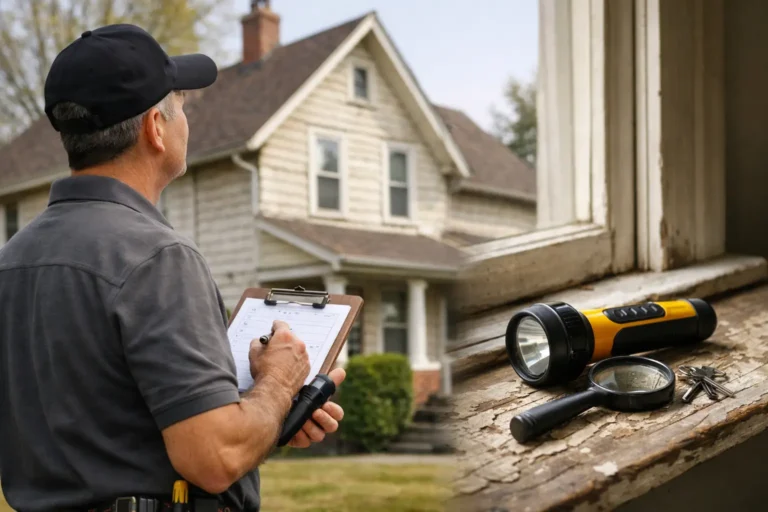
A 1960s bungalow in Edmonton can look solid at first glance. Fresh paint, a clean basement, maybe even a renovated kitchen. But older homes hide costs in the places buyers do not see during a showing – behind finished walls, under insulation, inside aging panels, and along rooflines that have handled decades of Alberta weather. That is why an older home inspection checklist Alberta buyers can actually use matters before conditions come off.
Older homes often offer better neighborhoods, larger lots, and construction details you will not find in many newer properties. They can also come with original wiring, aging drain lines, shifting foundations, patched roofs, and moisture issues that have been covered over more than once. The goal is not to scare you away from an older property. The goal is to help you understand what you are buying, what needs attention now, and what can wait.
Why older homes need a different inspection mindset
A newer home is usually about confirming performance and spotting defects early. An older home is different. You are not just checking whether systems work today. You are looking at how they have aged, how they were repaired, and whether past updates were done properly.
That distinction matters in Alberta. Freeze-thaw cycles, long heating seasons, snow loads, attic condensation, and older construction practices all affect how homes wear over time. A house built in 1955 or 1978 may still be a very good purchase, but only if you understand the actual condition of the major systems and the likely repair timeline.
Cosmetic updates can distract from expensive issues. New flooring does not tell you whether the subfloor is dry. A finished basement does not confirm the foundation is stable. A newer vanity does not mean the drain lines are in good shape. Good inspection work cuts through the presentation and gets back to function.
Older home inspection checklist Alberta buyers should focus on
The most useful checklist is not just a list of parts. It is a list of risk areas that affect your budget, your safety, and your negotiating position.
Foundation and structure
Start with the structure because everything else sits on it. In older Alberta homes, inspectors look for cracking patterns, movement, signs of past repairs, sloping floors, beam issues, and evidence of water entry. Not every crack is serious. Hairline shrinkage cracks can be common. Wider cracks, horizontal movement, repeated patching, or moisture staining deserve a closer look.
Basements are especially important in Edmonton-area homes. Efflorescence, staining, musty odors, bowed walls, and newer finishes installed over older concrete can all point to a history that needs explanation. Structural concerns do not always mean walk away. Sometimes they mean budget for repair and negotiate accordingly. Sometimes they mean the house is carrying more risk than the price justifies.
Roofing, attic, and exterior drainage
Roofs on older homes often tell two stories – the visible condition of the shingles and the hidden condition underneath. Inspectors check for wear, flashing problems, sagging, exposed fasteners, poor repairs, and signs of water intrusion. In older houses, roof framing, ventilation, and insulation details can also create long-term moisture issues.
The attic is one of the most revealing spaces in the home. Staining on sheathing, frost patterns, mold-like growth, blocked vents, and uneven insulation can point to ventilation problems or warm air leakage. In Alberta winters, attic condensation can become a serious issue if air sealing and venting are poor.
Outside, grading and drainage matter more than many buyers realize. If water drains toward the foundation, problems tend to show up later in the basement. Downspouts, extensions, lot slope, and surface water control all deserve attention.
Plumbing and drain lines
Older homes can have a mix of plumbing materials from different decades. That is where risk starts to climb. Galvanized steel, cast iron, poly-B, older shutoffs, corroded supply lines, and amateur repairs are common findings in homes that have been updated in stages.
The key question is not whether water runs from the tap. The question is what condition the piping is in and what type of replacement may be coming. Drain lines in older homes can still function while being near the end of their service life. Low water pressure, slow drainage, staining, active leaks, and corrosion around fittings all deserve a closer look.
If the home has been vacant, recently flipped, or partially remodeled, plumbing defects can be easier to miss during a quick walkthrough. Moisture testing around suspect areas helps confirm whether a stain is old or active.
Electrical system and safety
Older electrical systems are one of the biggest reasons buyers need a thorough inspection. You want to know the panel type, visible wiring type, grounding, bonding, receptacle condition, GFCI protection, and whether any modifications look unsafe or incomplete.
A house can have a newer kitchen and still carry old branch wiring elsewhere. It can have a replaced panel but overloaded circuits, open junctions, double taps, or ungrounded receptacles. In some older homes, the issue is not one dramatic hazard. It is a pattern of small, risky fixes done over many years.
This is one area where plain-English reporting matters. Buyers should understand what is a current safety concern, what is outdated but still functioning, and what may require an electrician to evaluate further before closing.
Heating, ventilation, and insulation
In Alberta, the heating system is not a minor line item. Furnace age, visible condition, venting, filter setup, combustion concerns, duct issues, and overall performance can all affect your first year in the home. Older properties may also have added-on spaces, basement finishes, or room layouts that heat unevenly.
Insulation and ventilation are just as important. Many older homes were built with lower insulation standards and different air sealing practices. That can mean higher utility costs, ice damming risk, cold rooms, and attic moisture problems. Sometimes a home does not need a major mechanical replacement right away. It may need targeted upgrades to improve performance and reduce hidden moisture risk.
Windows, doors, and building envelope
Drafty windows are easy to notice. Less obvious issues include failed seals, poor flashing, water entry at trim, wood rot, and air leakage around retrofitted units. In older homes, some windows may be updated while others remain original. That mix affects both comfort and budget planning.
Exterior cladding also matters. Cracked stucco, deteriorated caulking, damaged siding, and soft trim can all allow water intrusion over time. A buyer should know whether exterior wear is cosmetic, maintenance-related, or part of a larger moisture problem.
What buyers often miss during a showing
The average showing is not built for defect discovery. You are paying attention to layout, location, sunlight, and whether your furniture will fit. That is normal. The problem is that older homes reward a slower, more technical look.
Buyers often miss patched foundation cracks behind storage, older wiring in utility spaces, signs of previous roof leaks in attics, and moisture around basement walls hidden by finished materials. They also underestimate how expensive several moderate issues become when they land at once. A roof nearing the end of its life, aging plumbing, and electrical upgrades may each be manageable on their own. Together, they can change the affordability of the purchase.
That is why tools matter. Thermal imaging can help identify suspicious temperature differences that point to missing insulation, moisture patterns, or heat loss. Moisture testing helps sort out active concerns from old stains. Roof photography helps document conditions that are hard to see from the ground. Those details give buyers better facts, not just more opinion.
How to use the inspection findings
The best inspection does not just list defects. It helps you make a decision. With an older home, that usually means separating findings into three buckets: safety concerns, major budget items, and routine aging.
Safety concerns should be addressed quickly and may affect whether you move forward at all. Major budget items shape negotiation and near-term planning. Routine aging is expected in an older home and should be understood in context, not treated like a deal breaker.
This is where local experience matters. An inspector who knows Edmonton-area housing stock can usually tell the difference between an older home that has been maintained well and one that has been cosmetically improved while bigger issues were left behind. JBR Inspections approaches older homes that way – clear findings, practical context, and enough detail to help buyers act without burying them in noise.
A smart older home purchase starts with clarity
Older homes can be excellent purchases. Many are better built than buyers expect, and plenty have decades of life left in them. But they need to be inspected with discipline, not optimism. If you treat an older property like a newer one, you risk missing the systems and conditions most likely to cost you after closing.
A good checklist is not there to kill the deal. It is there to show you the real deal. When you know the condition of the structure, roof, attic, plumbing, electrical, and moisture-prone areas, you can negotiate with confidence, budget realistically, and walk into closing without guessing.