
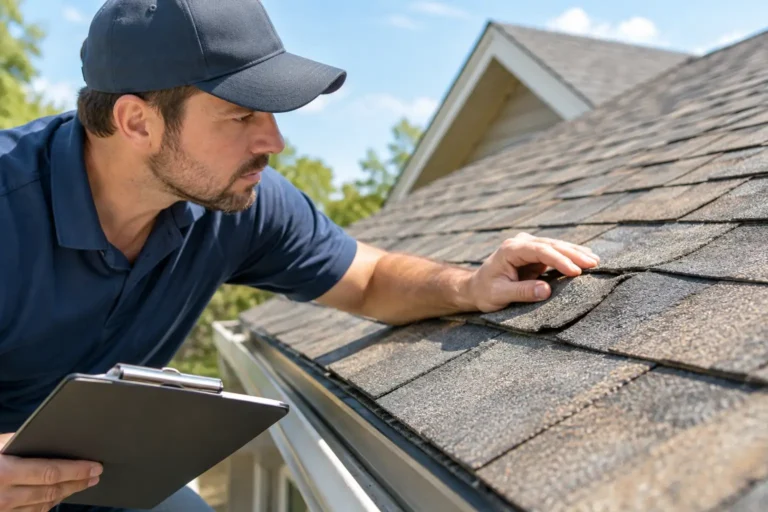
A roof can look acceptable from the driveway and still be one hard Edmonton storm away from a leak. That is why the top roof warning signs buyers miss deserve more attention than a quick glance at the shingles. A roofing problem is not always a reason to walk away from a home, but it is always something to understand before you remove conditions, finalize your budget, or negotiate repairs.
Roof repairs are expensive because the visible covering is only part of the system. Shingles, flashing, underlayment, roof decking, vents, attic insulation, and drainage all work together. When one piece fails, water can travel well beyond the original entry point before it leaves a visible stain on a ceiling.
A Clean-Looking Roof Can Still Be Near the End
Many buyers judge a roof by whether it has obvious missing shingles. That matters, but it is not the whole picture. Asphalt shingles can remain in place while losing the flexibility and protective surface granules that help them shed water.
Look for shingles that are curled at the edges, cracked, blistered, or uneven in color. Dark bare patches can indicate granule loss, while a scattering of gritty material in gutters may show the shingles are wearing out. On a newer-looking roof, inconsistent shingle color or pattern may also suggest localized repairs. A repair is not automatically a defect. It does raise a fair question: what caused the damage, and was the repair completed properly?
Age matters too. Ask when the roof was installed, but do not treat the answer as a guarantee. A roof’s actual condition depends on the product used, ventilation, installation quality, tree cover, hail exposure, and maintenance. Edmonton’s freeze-thaw cycles and wind events can shorten the practical service life of a roof that looked fine only a few seasons earlier.
The Flashing Is Often More Important Than the Shingles
Flashing is the metal or membrane material installed where the roof meets a wall, chimney, skylight, vent, or valley. These are the roof’s vulnerable transition points. Buyers often focus on the broad shingle field and miss the areas where water is most likely to get in.
Loose, corroded, lifted, or poorly sealed flashing deserves attention. So does an excessive amount of roofing cement smeared around a penetration. Sealant has a place in certain repairs, but large patches of tar can be a temporary response to an ongoing leak rather than a lasting fix.
Chimneys and skylights need especially close review. A chimney may have deteriorated mortar or flashing that has pulled away from the structure. Skylights can leak at the flashing, through failed seals, or from condensation related to interior humidity. The cause matters because the repair scope can range from a targeted flashing correction to replacement of the unit and surrounding roof materials.
Valleys, Vents, and Low-Slope Areas Need a Closer Look
Roof valleys collect a high volume of runoff. If shingles are damaged, fasteners are exposed, or valley materials are cracked, water has a direct path toward the roof deck. Leaves and debris can make the problem worse by slowing drainage and holding moisture against the surface.
Plumbing vents, furnace vents, bathroom exhaust vents, and other roof penetrations should have intact boots and proper flashing. Rubber boots around plumbing stacks can split as they age, creating a small opening that may leak only during certain wind-driven rains. These leaks can be easy to overlook until attic moisture, staining, or wood deterioration becomes apparent.
Low-slope roof sections require their own assessment. They do not shed water as quickly as steeper roofs and often use different materials. Ponding water, open seams, patched areas, or wrinkled membrane materials can indicate a drainage or installation issue. A low-slope section may be serviceable today but still need a shorter-term replacement budget than the rest of the roof.
The Attic Tells a More Honest Story
A roof inspection should not stop outside. The attic can reveal whether the roof system is managing moisture properly, even when the exterior looks respectable.
Water staining on roof decking, wet insulation, mold-like growth, rusted nails, or softened wood can point to a roof leak. However, not every attic moisture issue comes from a failed roof covering. In Edmonton homes, poor ventilation, air leakage from the living space, disconnected bathroom fans, and inadequate insulation can create frost and condensation in the attic during cold weather.
That distinction matters. Replacing shingles will not solve an attic ventilation problem, and adding more insulation alone will not correct warm, moist air leaking into the attic. A good inspection identifies the likely source and explains what further evaluation or repair is appropriate.
Thermal imaging and moisture testing can add useful evidence when conditions allow. They can help identify areas of unusual moisture or temperature patterns, but they are not magic tools that see through every roof assembly. Findings need to be interpreted alongside visible conditions, attic access, weather history, and the home’s construction.
Drainage Problems Can Damage the Roof and the House
Gutters are easy to dismiss as a maintenance item, but they are part of the roof drainage system. Loose troughs, missing downspouts, clogged gutters, or downspouts that discharge beside the foundation can create problems that extend beyond the roof.
Ice damming is a common concern in cold climates. When heat escapes into the attic, snow can melt higher on the roof and refreeze at colder eaves. Water then backs up behind the ice and may work beneath shingles. Large icicles look dramatic, but they are not the only sign. Water marks near exterior walls, damaged soffits, and recurring leaks after winter weather can be more meaningful clues.
The right repair depends on the cause. Cleaning gutters may help, but recurring ice dams often require attention to attic air sealing, insulation, ventilation, or roof detailing. Buyers should avoid accepting a vague statement that the issue is simply “normal for winter” without understanding whether interior moisture or water entry has occurred.
Prior Repairs May Be Useful Clues, Not Deal Breakers
Roof repairs are common, and a repaired roof is not necessarily a bad roof. What matters is the quality, location, and reason for the repair. Mismatched shingles, exposed fasteners, lifted edges, repeated patches, or sealant-heavy areas can signal work that was done quickly rather than correctly.
Ask for invoices, warranty information, and details about the contractor if they are available. Documentation can establish the age of the materials and clarify whether a repair addressed storm damage, a leak, or a broader replacement need. If records are unavailable, the condition of the roof and attic becomes even more important.
Be cautious with seller statements such as “the roof has never leaked.” A roof may not have leaked under the seller’s ownership, or a past leak may have been intermittent and unnoticed. The goal is not to assume the worst. It is to make a decision based on present evidence rather than reassurance alone.
Why a Ground-Level Look Is Not Enough
From the ground, buyers cannot reliably see loose flashing, cracked vent boots, hail impact, granule loss, damaged valleys, or poor workmanship at upper roof areas. Climbing onto a roof is also not safe or appropriate for most buyers during a showing.
That is where a professional inspection adds practical value. At JBR Inspections, 4K drone roof photography helps document roof areas that may not be safely visible from the ground, while attic review, moisture testing, and thermal imaging help connect exterior conditions with evidence inside the home. The goal is not to create a bloated list of minor imperfections. It is to identify conditions that affect safety, water management, repair planning, and negotiation.
A drone image cannot confirm every condition beneath shingles, and no inspection can predict the exact day a roof will leak. What it can do is give you a clearer understanding of visible condition, likely remaining service considerations, and whether a roofing contractor should be brought in before closing.
What Buyers Should Ask Before Removing Conditions
If a roof concern appears during the inspection, get specific. Is there active water entry, past staining, or only age-related wear? Is the issue isolated to a repairable area, or does it affect the overall roof covering? Is there evidence of attic condensation that could continue after a roof replacement? And is a qualified roofing contractor’s estimate needed to establish the scope and cost?
For a home with a roof near the end of its expected service life but no active leak, the answer may be a purchase-price adjustment or a realistic replacement budget. For active leaks, deteriorated decking, or substantial installation defects, a more detailed roofing assessment is usually warranted before proceeding. The right decision depends on the house, the evidence, and your financial comfort with the repair.
Do not let a tidy driveway view make the roof an afterthought. A clear explanation of its condition before closing gives you room to negotiate, plan, and move into your next home without discovering the real problem during the first heavy rain.