
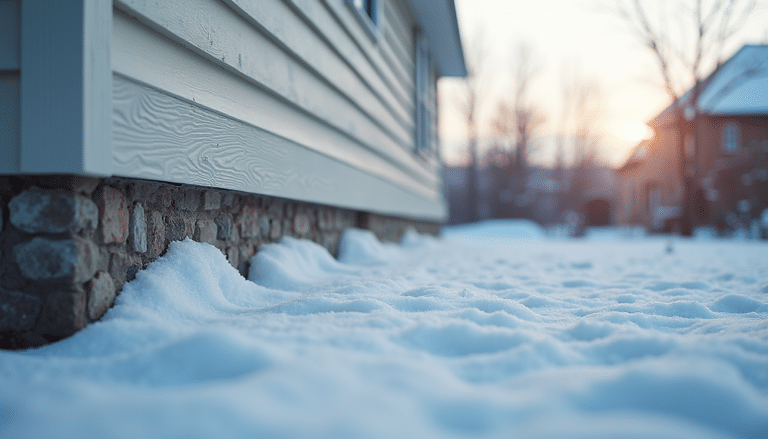
Spring thaw brings a welcome change in weather, but it also introduces challenges for homeowners. As snow melts and temperatures rise, your home faces risks like water damage, foundation issues, and pest invasions. Preparing your home now can save you time, money, and stress later. This guide walks you through practical steps to get your home ready for the spring thaw season.

Check Your Roof and Gutters
The roof and gutters are the first line of defense against water damage during the spring thaw. Snow and ice can cause damage that leads to leaks or blocked drainage.
Inspect shingles and flashing for cracks, missing pieces, or curling edges. Damaged shingles allow water to seep in.
Clear gutters and downspouts of leaves, twigs, and ice dams. Blocked gutters cause water to overflow and pool near your foundation.
Ensure downspouts direct water away from your home’s base by at least 3 to 4 feet. This prevents water from saturating the soil near your foundation.
Regular roof maintenance before the thaw reduces the risk of leaks and water damage inside your home.
Protect Your Foundation
The foundation can suffer from water pooling and soil movement during thawing. Water seeping into cracks can cause structural damage and basement flooding.
Inspect the foundation walls for cracks or gaps. Seal small cracks with hydraulic cement or waterproof sealant.
Grade the soil around your home so it slopes away from the foundation. A slope of 6 inches over 10 feet is ideal to direct water runoff.
Check basement windows and doors for proper sealing. Replace weatherstripping if needed to keep moisture out.
Consider installing a sump pump if your basement is prone to flooding. It helps remove excess water quickly.
Taking these steps helps protect your home’s structural integrity during the wet spring months.
Maintain Your Heating and Plumbing Systems
Spring thaw can cause temperature fluctuations that put stress on your heating and plumbing systems.
Service your furnace or boiler to ensure it runs efficiently as temperatures change.
Inspect exposed pipes for cracks or leaks caused by freezing and thawing cycles.
Insulate pipes in unheated areas like basements or crawl spaces to prevent freezing.
Test your sump pump and drainage systems to confirm they are working properly.
Proper maintenance reduces the risk of costly repairs and keeps your home comfortable during unpredictable weather.
Prepare Your Yard and Outdoor Spaces
The thaw affects your yard’s drainage and can create muddy, waterlogged areas.
Remove debris like fallen branches and leaves that block drainage paths.
Check drainage ditches and storm drains near your property to ensure they are clear.
Avoid heavy foot traffic on soggy ground to prevent soil compaction.
Plan for spring landscaping by aerating your lawn and adding mulch to protect soil.
Good yard care helps prevent water pooling near your home and supports healthy plant growth.
Inspect Doors and Windows
As temperatures rise, drafts and moisture can enter through poorly sealed doors and windows.
Look for gaps or cracks around frames and sills.
Replace or add weatherstripping to improve insulation.
Clean window tracks and door thresholds to ensure proper sealing.
Consider installing storm windows if you live in an area with late frosts.
Sealing your home reduces energy loss and keeps moisture out during the thaw.
Watch for Pest Activity
Spring thaw signals the return of many pests seeking shelter and food.
Seal cracks and holes in your home’s exterior to block entry points.
Store firewood and debris away from your house to reduce hiding spots.
Keep gutters clean to avoid standing water that attracts mosquitoes.
Inspect attic and crawl spaces for signs of rodents or insects.
Early pest prevention protects your home from infestations that can cause damage.
Plan for Emergency Preparedness
Spring thaw can bring unexpected storms and flooding.
Keep sandbags or water barriers handy if you live in a flood-prone area.
Have a backup power source like a generator for outages.
Create an emergency kit with essentials in case of severe weather.
Know your local emergency contacts and evacuation routes.
Being prepared helps you respond quickly and protect your home and family.