
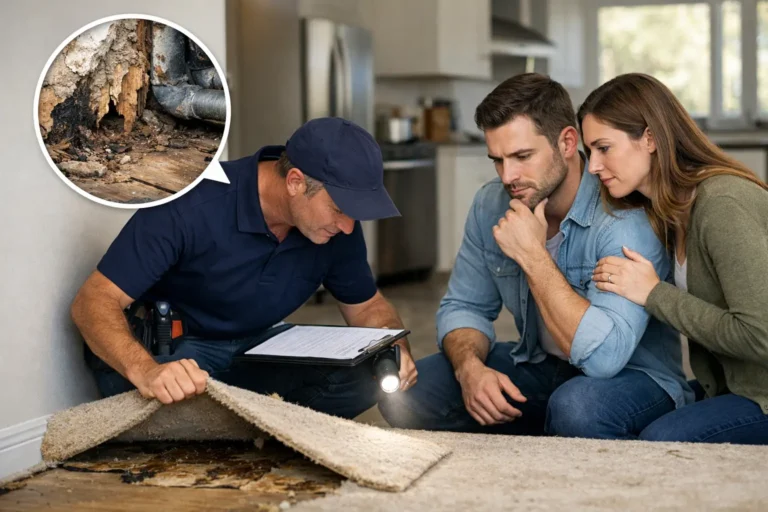
A clean kitchen, fresh paint, and a staged living room can make a house feel move-in ready. They cannot tell you whether the roof is near the end of its life, moisture is entering the basement, or an aging electrical panel needs expensive attention. Knowing how to avoid inspection surprises means looking past the showing-day impression and treating the inspection as a decision tool before you remove conditions.
For Edmonton-area buyers, the stakes are real. Our climate is hard on roofs, grading, foundations, furnaces, and exterior materials. A home does not need to be old to have problems, and a newer home is not automatically a low-maintenance home. The goal is not to find a perfect house. It is to understand what you are buying, what needs action now, and what you should budget for next.
Start Looking Before You Write an Offer
The best inspection outcomes begin during the viewing, not after the contract is signed. You are not expected to inspect the home yourself, but you can spot clues that deserve closer attention.
Look at the exterior first. Notice whether the ground slopes toward the house, whether downspouts discharge beside the foundation, and whether there are stains, cracking, or deteriorated trim. In Edmonton, poor drainage can turn into basement moisture problems after snowmelt or heavy rain. Ask about recent roof replacement, but do not rely on a verbal answer alone. The age, material, installation quality, and visible condition all matter.
Inside, use your senses. A musty smell in a basement, fresh paint in one isolated area, water marks around windows, or a dehumidifier running constantly may have a reasonable explanation. They may also point to a recurring moisture issue. Make a note rather than making an assumption.
You should also pay attention to major systems. Ask when the furnace, water heater, roof, electrical panel, and windows were installed or last serviced. Sellers may not know every answer, particularly in a resale property. That is fine. Missing information is not proof of a defect, but it is a reason to verify what you can during the inspection.
Keep an Inspection Condition in the Contract
Skipping an inspection condition to make an offer look stronger can create the exact financial risk buyers are trying to avoid. A house can be competitive without asking you to accept unknown repair exposure.
A properly written inspection condition gives you time to arrange a professional inspection, review the findings, and decide how to proceed. The right timing depends on the market and the contract, but a rushed deadline reduces your options. Give yourself enough time to attend the inspection, receive the report, speak with your inspector, and obtain specialist advice if a significant concern appears.
There is a trade-off. A condition may be less attractive to a seller than an unconditional offer. But waiving it means you are accepting responsibility for defects you have not had a fair chance to identify. For most buyers, that is not a smart place to take risk.
Choose an Inspector Who Explains What Matters
A home inspection is only as useful as the inspector’s process and communication. A long report filled with generic comments can overwhelm buyers without helping them make a decision. What you need is a thorough assessment that separates normal wear from material concerns.
Ask what the inspection includes and how findings are documented. Thermal imaging can help identify temperature differences that may warrant further investigation, including possible insulation gaps or moisture-related concerns. Moisture testing can help confirm whether suspicious areas are active or dry. Electrical testing, accessible plumbing checks, and a close review of heating equipment all add useful evidence.
The roof deserves special attention because it is expensive to replace and difficult for a buyer to assess from the ground. Drone photography can provide clear views of roof coverings, flashings, penetrations, and other areas that may not be safely accessible from a ladder. It does not make every roof issue visible, but it is far more useful than guessing from the driveway.
At JBR Inspections, the focus is on clear, same-day reporting and a direct conversation about the findings. That matters when you have a condition deadline and need plain-English answers, not a stack of technical language with no guidance.
Attend the Inspection and Ask Direct Questions
If possible, attend at least the final portion of the inspection. This is where a good inspector can show you important findings in context. A cracked seal around a window, for example, is different from widespread water staining and elevated moisture readings below that window.
Use the time to ask practical questions. Which items are safety concerns? Which repairs should happen before closing? What is likely to need attention in the next few years? Are there signs that a qualified contractor should investigate further?
Do not ask an inspector to predict every future repair or provide exact contractor pricing. No inspection can see behind every wall, under finished flooring, or inside a sealed system. But a careful inspector can identify visible conditions, explain risk, and tell you where further evaluation is justified.
Read the Report for Decisions, Not Perfection
Every home has deficiencies. Even well-maintained homes have minor repairs, routine maintenance needs, and items that no longer meet current standards. The report should help you prioritize rather than panic.
Focus first on issues involving safety, water intrusion, structural movement, electrical hazards, roofing failure, plumbing leaks, or mechanical systems that are near failure. These are the items most likely to affect your budget, insurance, financing, or ability to safely occupy the home.
Then consider the combined cost of the moderate issues. A home may have no single deal-breaker but still need a furnace soon, attic ventilation improvements, exterior repairs, and several plumbing updates. Individually, those items may be manageable. Together, they can change what the house is worth to you.
Pay attention to language that recommends further evaluation. That does not automatically mean a major defect exists. It means the available evidence is not enough to make a final call. A specialist may be needed for a suspected foundation concern, a damaged sewer line, an electrical issue inside a panel, or a heating system fault that requires service equipment to diagnose.
Use Findings to Negotiate With a Plan
Inspection findings give you information, not an automatic right to demand that every deficiency be repaired. Strong negotiations focus on material items that were not apparent during the showing and that meaningfully affect cost, safety, or function.
Depending on the issue, you may request repairs, a price adjustment, a credit where appropriate, or the opportunity to walk away under the inspection condition. The best choice depends on your comfort level, the local market, and whether the repair can be properly completed before possession.
Be careful about quick seller repairs. A low-cost patch is not always the same as a lasting fix. For larger concerns, it can be better to negotiate based on credible contractor estimates and arrange the work yourself after closing. In other cases, especially where safety is involved, documented repair by a qualified professional may make more sense.
Keep a First-Year Home Budget
Even a strong inspection cannot eliminate ownership costs. Furnaces age, caulking fails, filters need changing, and Edmonton winters expose weak points in a home. Build a reserve for maintenance and expected future replacements instead of spending every available dollar on the purchase and closing costs.
Use the inspection report as a first-year maintenance plan. Address urgent items immediately, schedule recommended service work, and keep records of repairs. Small tasks, such as correcting grading, extending downspouts, cleaning gutters, or servicing heating equipment, can prevent larger problems later.
The right inspection will not promise a house without flaws. It will give you a clear picture of the house you are considering, the risks attached to it, and the questions that still need answers. That clarity is what lets you buy with your eyes open instead of discovering the expensive parts after the keys are in your hand.