
A clean basement, fresh paint, and a quiet plumbing system can make a home feel safe. But hidden leaks do not always announce themselves with a dripping ceiling or a puddle on the floor. They can work behind finished walls, beneath flooring, around roof penetrations, or beside a foundation for months before a buyer sees obvious damage.
For Edmonton-area buyers, that matters. A leak that starts small can lead to damaged framing, mold conditions, insulation problems, electrical concerns, and expensive repairs after possession. The goal of a professional home inspection is not to scare you away from every imperfection. It is to identify evidence of moisture problems, explain what it may mean, and give you clear information before your conditions are removed.
Why Hidden Leaks Cost More Than Buyers Expect
Water follows gravity, but the visible stain is not always directly below the source. A roof leak may travel along sheathing or framing before reaching a ceiling. A plumbing leak inside a wall may wet insulation for a long time before drywall shows a mark. A failed exterior seal can let water enter around a window, then damage materials where no one is looking.
That is why a quick walkthrough is not enough. Sellers may not know an issue exists, especially if the home has been vacant, a bathroom has not been used regularly, or recent paint covers older staining. In other cases, a past repair may have addressed the visible damage without correcting the reason water got in.
The financial impact depends on the source, duration, and affected materials. Replacing a worn faucet supply line is usually straightforward. Rebuilding a shower surround, repairing roof decking, removing wet insulation, or addressing long-term moisture near a foundation is a different conversation. Buyers need to know the difference before they commit to the property.
Where Hidden Leaks Usually Start
Plumbing connections and fixtures
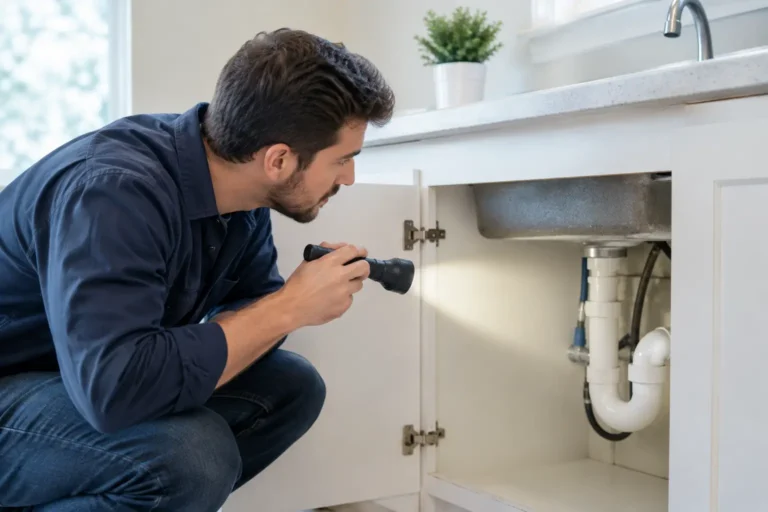
Under-sink cabinets are common places to find slow leaks. Supply valves, drain traps, dishwasher connections, refrigerator water lines, and garbage disposal fittings can all seep without creating a large puddle. The warning signs are often subtle: swollen cabinet bottoms, corrosion at a valve, staining on wood, a musty smell, or moisture around piping.
Bathrooms deserve close attention because they combine plumbing, enclosed finishes, and daily water use. A loose toilet, deteriorated caulking, a failed shower door seal, or a leaking shower pan can allow water into flooring and subfloor materials. A bathroom can look updated and still have moisture concerns below the surface.
Roofs, flashings, and attic spaces
In Edmonton, roofs deal with snow loads, freeze-thaw cycles, wind, ice dams, and sudden summer storms. Missing or damaged shingles are only part of the picture. Leaks often begin at roof penetrations, plumbing vents, chimneys, skylights, valleys, and wall-to-roof intersections where flashing details matter.
The attic can provide valuable clues. Staining on roof sheathing, damp insulation, rusted fasteners, or mold-like growth may point to a roof leak, but they can also indicate poor attic ventilation or condensation. Those causes require different repairs. A proper inspection considers the pattern of the evidence rather than blaming every attic stain on the roof.
Drone roof photography helps document conditions that cannot be safely viewed from the ground. It is particularly useful for steep roofs, complex rooflines, and areas where a buyer would otherwise have to rely on a distant visual impression.
Windows, doors, and exterior walls
Water intrusion around windows and doors may be caused by aging caulking, failed flashing, damaged siding, poor grading, or installation issues. The interior evidence can be faint: peeling paint at a sill, soft trim, staining below a window, or a localized moisture reading.
Exterior cladding is designed to manage water, not make it disappear. When drainage details are missing or blocked, water can remain where it should not. This is one reason a recently renovated exterior should still be inspected carefully. New finishes do not automatically prove that the underlying installation is correct.
Foundations, grading, and basements
A basement does not need standing water to have a moisture problem. Efflorescence, musty odors, peeling finishes, damp carpet edges, rusting furnace components, or staining at the bottom of walls can all be signs that moisture has been present.
Some basement issues are seasonal. A home may appear dry during a winter showing but take on water during spring melt or heavy rain. Downspout discharge, lot grading, window wells, sump pump operation, and cracks or gaps near the foundation all deserve attention. Not every foundation crack means structural failure, but a crack with moisture evidence should not be dismissed without understanding the risk.
How an Inspection Finds Hidden Leaks
A home inspection is a visual, non-invasive evaluation. That means an inspector does not open walls, pull up flooring, or remove finished surfaces. Still, a thorough inspection can uncover warning signs that a normal showing misses.
At JBR Inspections, thermal imaging is used on every home as one part of the evaluation. Temperature differences can help identify areas that deserve closer investigation, such as possible moisture patterns behind a wall or ceiling. Thermal imaging does not see through walls and does not confirm every leak by itself. A cold area may be caused by missing insulation, air leakage, or a temperature difference rather than water. That is why moisture testing, visual observations, and knowledge of how homes are built all matter.
Moisture meters can help confirm elevated moisture levels in accessible building materials. Plumbing fixtures are operated where practical, visible supply and drain connections are checked, and accessible attic, basement, roof, and exterior conditions are evaluated. Electrical testing also matters because water and electrical components are a poor combination, particularly around bathrooms, kitchens, laundry spaces, and mechanical rooms.
The strongest inspection findings come from patterns. A stained ceiling alone tells part of the story. A stain below a roof penetration, elevated moisture readings, damaged insulation, and visible flashing concerns tell a buyer much more.
What Buyers Should Do When Moisture Is Found
First, ask for plain language. You need to know whether the finding appears active, historic, or uncertain. An old stain that tests dry may reflect a repaired issue. It still deserves context, but it is not the same as active moisture at the time of inspection.
Second, ask about the likely source and the next sensible step. Some issues can be resolved with a qualified plumber, roofer, drainage contractor, or building envelope specialist. Others may warrant further evaluation before closing, especially when the source is unclear or damage appears widespread.
Third, use the information strategically. Depending on the purchase contract and the severity of the concern, you may request repairs, seek a price adjustment, ask for specialist assessment, or budget for work after possession. The right option depends on the home’s overall condition, the local market, repair scope, and your comfort with the risk.
Avoid accepting a vague statement that something was “fixed” without supporting details. A receipt, description of work completed, and evidence that the underlying cause was addressed are more useful than a fresh coat of paint. If a repair is completed before closing, a reinspection can provide additional confidence that the visible work was done properly.
Do Not Let a Clean Finish End the Conversation
Homes are built from systems that age at different rates. A beautiful kitchen can have an aging dishwasher supply line. A finished basement can hide moisture behind wall coverings. A newer roof may still have vulnerable flashing details. None of that automatically makes a house a bad purchase. It simply means the decision should be made with open eyes.
A good inspection report should give you actionable findings, not a pile of technical language that creates more confusion. When moisture evidence appears, the useful question is not only, “Is there a leak?” It is also, “Where is it coming from, what may be affected, and what should happen next?”
Before you remove your inspection condition, make sure you understand the water-related findings well enough to negotiate, investigate, or budget with confidence. That conversation can be worth far more than the few minutes it takes to ask it.