
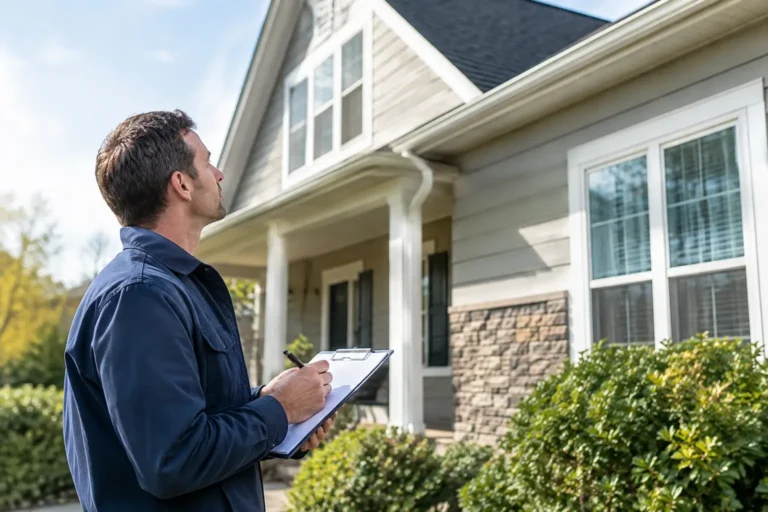
A house can look move-in ready during a showing and still raise red flags with an insurance company. An aging electrical panel, a worn roof, older plumbing, or an outdated heating system can affect whether coverage is offered, what it costs, and which repairs must happen first. That is why home insurance inspection requirements deserve attention before you remove conditions or finalize a purchase.
For buyers, the key is understanding that an insurance inspection and a pre-purchase home inspection serve different purposes. Both look at risk, but they answer different questions. Your home inspection helps you understand the home’s overall condition and make a sound buying decision. The insurer’s review is focused on whether the property presents an acceptable risk to insure.
What Are Home Insurance Inspection Requirements?
Insurance companies do not use one universal inspection rulebook. Requirements depend on the carrier, the property’s age, its construction, its claims history, and the systems inside it. A newer home in well-maintained condition may only require basic information. An older home, a vacant property, a home with a wood-burning appliance, or a property with known system updates may trigger a more detailed review.
In many cases, an insurer may request a specific report before issuing or renewing a policy. This can happen before closing, shortly after the policy begins, or when details on the application raise questions. The insurer may arrange its own inspection, ask for photos, or request documentation from a qualified inspector or contractor.
Do not assume a standard buyer’s inspection automatically satisfies the insurer. It may provide useful evidence, but insurers sometimes need a specific form, a current report, or confirmation of particular systems. Ask the insurance broker or carrier exactly what they require, when they need it, and whether there is an approved form.
The Systems Insurers Most Often Review
Insurance underwriting is largely about preventing major claims. Water damage, fires, roof failures, and liability losses are expensive. That is why insurers pay close attention to the systems most likely to cause them.
A detailed assessment often focuses on these four areas:
- Roofing: Insurers may ask about roof age, material, visible wear, missing shingles, flashing condition, and signs of active leakage. A roof near the end of its service life is not always uninsurable, but it can lead to limited coverage or a request for replacement.
- Electrical: Older fuse panels, certain obsolete panel brands, aluminum wiring, open junction boxes, amateur modifications, and overloaded circuits can create a fire risk. The insurer may require a licensed electrician’s evaluation or repairs before full coverage is available.
- Plumbing: Aging supply lines, polybutylene piping, galvanized steel pipes, active leaks, and poor drainage can lead to costly water claims. Even a slow leak under a sink or around a toilet matters when moisture has already damaged finishes or structure.
- Heating: Furnaces, boilers, chimneys, fireplaces, and wood stoves may be reviewed for age, installation, venting, and maintenance. A cracked heat exchanger or unsafe venting is not just an insurance issue. It is a safety issue that needs immediate attention.
Depending on the home, an insurer may also ask about foundation concerns, sump pumps, backwater valves, knob-and-tube wiring, oil tanks, pools, trampolines, detached structures, or evidence of prior water damage.
Why Older Homes Get More Scrutiny
Older homes are not automatically bad purchases. Many are solidly built, well maintained, and full of value. The issue is that major systems can outlive their expected service life, and visible upgrades do not always tell the whole story.
A renovated kitchen, for example, does not confirm that the electrical wiring behind the walls was updated. Fresh paint in a basement does not prove there are no moisture problems. A new furnace does not solve an aging electrical service or deteriorating plumbing lines.
This is where buyers get caught off guard. They may receive an accepted offer, arrange financing, and call for insurance days before closing, only to learn that the insurer needs more information or wants a repair completed. That can put unnecessary pressure on an already tight timeline.
For properties with older systems, get insurance questions answered early. If the home inspection identifies a concern, provide clear information to your broker and ask what documentation would satisfy the carrier. Waiting until the last minute leaves fewer options.
A Home Inspection Gives You the Bigger Picture
An insurance review is often narrow. It may focus on whether a roof is likely to leak, whether wiring presents a fire hazard, or whether plumbing is likely to fail. Those are valid concerns, but they do not replace a full home inspection.
A proper buyer inspection looks at how the home is performing as a whole. It considers visible structure, grading and drainage, roof components, exterior cladding, attic conditions, insulation, windows, heating, cooling, plumbing, electrical systems, interior finishes, and more. The goal is not to promise that a house is perfect. No house is. The goal is to identify material concerns, explain what they mean, and give you practical information before you commit.
At JBR Inspections, thermal imaging, moisture testing, electrical testing, and roof photography help reveal issues that a quick walkthrough can miss. A thermal image may point to insulation gaps, heat loss, or moisture patterns. Moisture readings can help distinguish a cosmetic stain from an active concern. Roof images can document areas that are difficult to assess from the ground. These tools do not replace sound inspection judgment, but they provide useful evidence when the condition of a system is in question.
What to Do When an Insurer Requests Repairs
If an insurance company requests repairs, read the request carefully. There is a meaningful difference between a recommendation, a condition for binding coverage, and a condition for renewing coverage later. Ask for the deadline, the required proof, and whether a licensed trade is needed.
Some findings are straightforward. Replacing a damaged supply line, installing a missing handrail, repairing exposed wiring, or correcting improper furnace venting may be manageable before closing. Other issues, such as a roof replacement or major electrical upgrade, can be expensive and take time to schedule.
This is where inspection findings become negotiation information. If the problem was identified before conditions were removed, you may be able to request a repair, a price adjustment, a credit, or documentation showing that qualified work was completed. The right approach depends on the market, the seriousness of the issue, and the seller’s willingness to negotiate.
Avoid accepting a vague promise that something will be “taken care of.” For meaningful repairs, ask for invoices, permits where applicable, and confirmation of the work completed. If the repair affects safety or insurability, consider having it reviewed before closing.
Questions to Ask Your Insurance Provider Early
Before you finalize a purchase, ask whether the home’s age or any known conditions will require an inspection, a four-point report, photos, or trade documentation. Confirm whether there are restrictions related to the roof, electrical panel, plumbing materials, heating equipment, fireplaces, or prior water damage.
Also ask what happens if repairs cannot be completed before possession. Some insurers will provide temporary coverage with a firm repair deadline. Others may decline until the issue is addressed. There is no safe assumption here, because underwriting standards vary by company and policy.
If your home inspection report identifies an issue, do not hide it or try to interpret it away. Give your broker accurate information and ask what the insurer needs. A direct answer early is far better than finding out your policy has exclusions or cannot be issued when you need it most.
Keep the Decision in Your Hands
Home insurance inspection requirements are not meant to scare buyers away from every older home or every repair item. They are a reminder that ownership comes with real systems, real maintenance, and real financial exposure. A home with a few manageable defects can still be a good purchase when the price, repair scope, and insurance terms make sense.
The costly mistakes happen when buyers are rushed, information is incomplete, or a serious defect is treated like a minor inconvenience. Get the house inspected thoroughly, ask insurance questions before the deadline, and make your decision with the facts in front of you. That is how you protect your budget long after the keys change hands.