
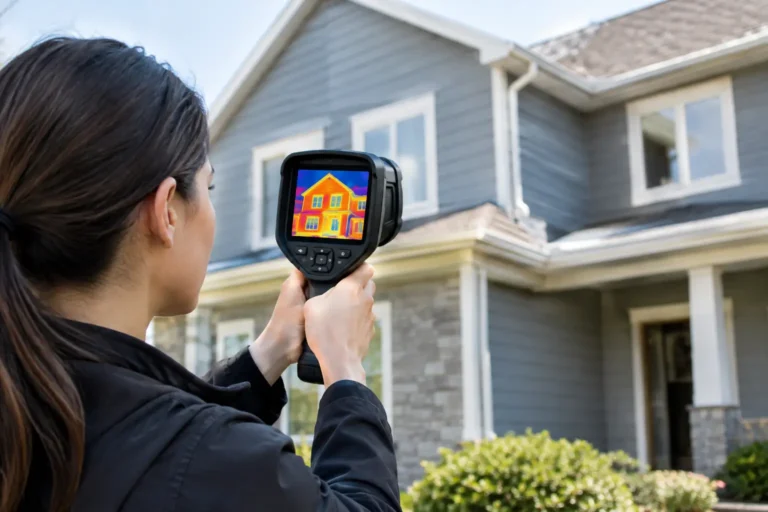
A wall can look perfectly clean while moisture is building behind it. An electrical panel can appear normal while one connection is running hotter than the rest. Those are the kinds of costly surprises a thermal imaging inspection guide should help you understand before you remove conditions on a home purchase.
Thermal imaging is not a magic camera and it does not replace a full home inspection. Used properly, it gives your inspector another way to look for patterns that deserve attention – especially where a problem may be hidden behind finished walls, ceilings, flooring, or insulation. For Edmonton-area buyers facing tight deadlines and major financial decisions, that added evidence can make the difference between a reasonable repair discussion and an expensive problem discovered after possession.
What Thermal Imaging Actually Shows
A thermal camera detects surface temperature differences. It does not see through walls, identify every defect automatically, or tell an inspector exactly what is inside a cavity. What it shows is a temperature pattern. An experienced inspector then compares that pattern with the construction, weather conditions, moisture readings, electrical components, and visible evidence on site.
A cooler area on a ceiling may indicate moisture, missing insulation, or air leakage. A warm spot near electrical equipment may point to an overloaded circuit, a loose connection, or simply a component operating as designed. Context matters. The camera identifies where to investigate further; it is not the final diagnosis by itself.
That distinction protects buyers from two common mistakes. The first is overlooking a hidden concern because nothing is visible. The second is assuming every color difference in a thermal image means the home has a serious defect. Good inspection work avoids both.
What a Thermal Imaging Inspection Can Reveal
When conditions are right, infrared imaging can help identify issues that deserve a closer look. In a residential inspection, the most valuable findings often involve moisture, insulation, air movement, and electrical heat.
Moisture patterns behind finished surfaces
Water changes surface temperatures as it evaporates and moves through building materials. A thermal scan may reveal a cooler pattern below a window, around a shower enclosure, beneath a plumbing fixture, or on a finished basement wall. Your inspector should confirm the concern with a moisture meter and visual inspection where possible.
This matters because hidden moisture can lead to damaged drywall, deteriorated framing, mold growth, and repairs that grow more expensive the longer they are ignored. A small stain is easy to dismiss during a quick walkthrough. A broader moisture pattern gives buyers a better reason to ask questions and request further evaluation.
Insulation gaps and heat loss
Edmonton winters are unforgiving, and poor insulation is not just a comfort issue. Missing, settled, or uneven insulation can increase heating costs and create cold surfaces where condensation may form.
Thermal imaging may show cold vertical lines at framing, large cold areas in an exterior wall, or uneven ceiling temperatures below an attic. Some temperature variation is normal. Wood framing conducts heat differently than insulated cavities, for example. The concern is a pattern that suggests a significant gap, poor installation, or an air leak that affects the home’s performance.
Air leaks around windows, doors, and penetrations
Drafts are often most noticeable on a cold day, but they can be difficult to pinpoint. A thermal camera can help identify cooler air entering around windows, exterior doors, attic hatches, plumbing penetrations, and electrical openings on exterior walls.
Not every air leak justifies a major negotiation. New weatherstripping or caulking may be a straightforward maintenance item. Larger patterns around a window installation, basement rim joist, or attic access can point to a more substantial comfort or moisture concern.
Electrical hot spots
Electrical defects can create heat before they create visible damage. During an inspection, thermal imaging can assist with evaluating accessible electrical panels, breakers, receptacles, switches, and other components when they are safely accessible and operating under a meaningful load.
An unusually warm breaker or connection may need further assessment by a qualified electrician. It may reflect a loose termination, overloaded circuit, corrosion, or failing component. It can also be normal operating heat, which is why an inspector should never make a call based on color alone.
Plumbing and radiant heating concerns
Where accessible piping or heating components are operating, thermal imaging can sometimes help trace hot-water lines, identify uneven heating, or flag suspicious temperature differences near plumbing fixtures. In-floor heating systems may show uneven warm areas that warrant questions about performance or repairs.
Again, the result depends on the system being active, accessible, and producing enough temperature contrast. A camera cannot inspect what conditions do not reveal.
What Thermal Imaging Cannot Tell You
A thermal camera is valuable because it adds evidence, not because it removes uncertainty. Sellers, buyers, and even some inspectors can overstate what infrared technology can prove.
Thermal imaging cannot see through concrete, drywall, flooring, or roofing materials in the way an X-ray would. It cannot confirm mold species, measure the depth of moisture damage, determine whether a wire connection is safe without further evaluation, or predict when a component will fail.
Weather and operating conditions also affect the results. A strong indoor-outdoor temperature difference often makes insulation and air leakage patterns easier to identify. Recent sun exposure can warm exterior surfaces and confuse a reading. A roof that appears warm or cool in an image may be reacting to sunlight, wind, roof color, insulation conditions, or moisture. That is why roof evaluation should combine thermal information, visible inspection, and clear roof photography when conditions allow.
The same principle applies to moisture. A cool patch may be caused by evaporation from a leak, but it could also result from air movement, a cold material behind the wall, or a change in insulation. Moisture testing helps separate a concern worth acting on from a harmless temperature variation.
How Thermal Findings Should Affect Your Purchase
The value of thermal imaging is not a dramatic picture in a report. The value is knowing what deserves action before closing.
If an infrared scan and moisture meter both indicate a possible active leak, ask for further investigation or a repair by the appropriate contractor. If the inspection identifies widespread attic insulation deficiencies, obtain realistic pricing and factor it into your budget or negotiation. If an electrical component shows abnormal heat, treat it as a safety item and have an electrician assess it before you rely on assumptions.
The right next step depends on the severity, scope, and risk. A minor draft at an older exterior door is different from a recurring moisture pattern below a second-floor bathroom. A single warm breaker may have a simple explanation; multiple overheated connections suggest a larger electrical concern.
Your inspection report should explain this in plain English: what was observed, why it matters, what further evaluation or repair is recommended, and how urgently you should address it. Buyers do not need a bloated report full of technical language. They need enough information to make a sound decision.
Questions to Ask Your Inspector About Infrared Findings
If thermal images appear in your report, ask what conditions were present during the inspection and what confirmed the finding. Was the area tested with a moisture meter? Was the heating system running? Was the electrical equipment under load? Does the pattern indicate an active issue, a possible issue, or a condition to monitor?
Also ask about the practical consequence. Is this a repair to complete before possession, an item to price with a contractor, or routine maintenance to plan for? Clear answers matter more than a colorful image.
At JBR Inspections, thermal imaging is used as part of a thorough inspection process, alongside moisture testing, electrical testing, and a careful review of accessible building systems. The goal is straightforward: identify concerns that could affect your decision, then explain them without creating unnecessary alarm.
A home does not need to be perfect to be a good purchase. But you should know where the risks are, what they may cost, and which questions still need answers before you commit.