
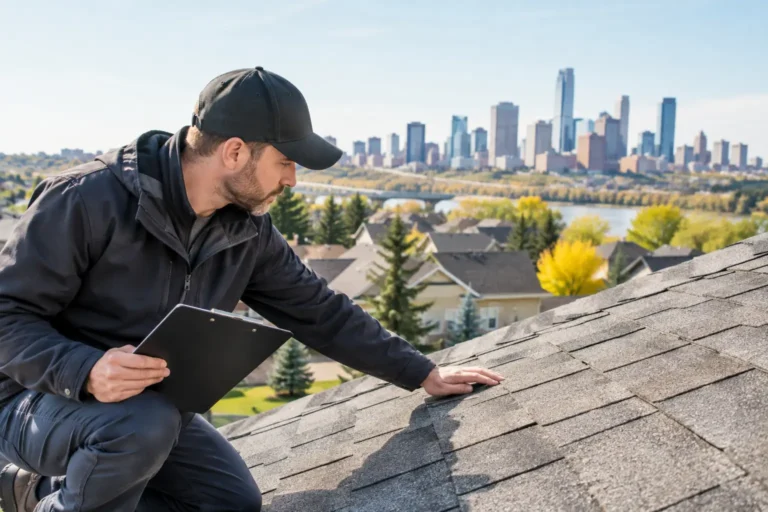
A roof can look perfectly acceptable from the driveway and still be one hard rain or spring thaw away from leaking. That is why a proper roof inspection matters before you remove purchase conditions. For Edmonton homebuyers, the roof is not just another line in an inspection report. It protects the structure, insulation, ceilings, electrical systems, and everything you plan to put inside the home.
A few missing shingles may be a manageable repair. Widespread granule loss, failing flashing, poor drainage, or a roof near the end of its service life can change your budget and your negotiating position fast. The goal is not to make every roof sound alarming. It is to give you a clear picture of its current condition, likely risks, and what may need attention next.
What a Roof Inspection Actually Tells You
A roof inspection is more than a quick look at the shingles. A thorough inspection considers the covering material, visible wear, roof penetrations, drainage, roofline condition, and any signs that water has already found a way inside. It also connects exterior findings with what is visible in the attic and upper floors.
That connection matters. A stain on a bedroom ceiling may come from an active roof leak, but it could also be older damage from a past issue that was repaired. Damp attic insulation, mold-like growth, rusted nail tips, or moisture readings around a vent can help clarify what is happening. A good inspector does not guess from one clue. They look for supporting evidence.
For buyers, the useful question is rarely, “Is the roof perfect?” Most homes, especially resale homes, will have some degree of wear. The practical questions are: Is the roof performing now? Is there evidence of water entry? How much service life may be left? What repairs should be addressed before they become more expensive?
Why Edmonton Roofs Need Close Attention
Edmonton roofs deal with conditions that expose weak details quickly. Long winters, freeze-thaw cycles, wind, snow loads, hail, and sudden temperature swings all take a toll. A roof that has handled years of weather may still look acceptable from the ground while the seals around vents, chimneys, skylights, or plumbing stacks are beginning to fail.
Ice damming is another concern. When heat escapes into the attic, it can melt snow on the roof. That water may refreeze near colder eaves, trapping more meltwater behind it. If water works its way beneath shingles, it can damage the roof deck, soffits, insulation, and interior finishes. The visible roof surface is only part of the story.
Age matters, but it is not the only factor. Two roofs installed in the same year can be in very different shape based on material quality, installation practices, ventilation, sun exposure, drainage, and past storm damage. A roof nearing the typical end of its expected life is not automatically a deal-breaker. It is a budget item that deserves an honest conversation before closing.
What Inspectors Look for During a Roof Inspection
A qualified home inspector evaluates visible and accessible conditions. That includes the roofing material itself, but also the components that often cause leaks before the shingles fail.
Common findings include damaged, curling, cracked, loose, or missing shingles; exposed fasteners; worn sealant; deteriorated flashing; and improper repairs. Flashing is particularly important because it directs water away from vulnerable areas where the roof meets a wall, chimney, vent, skylight, or valley. A roof can have decent shingles and still leak at a poorly sealed penetration.
Drainage gets equal attention. Gutters, downspouts, roof valleys, and the slope of the roof all affect where water goes. Debris-filled gutters can cause water to overflow against fascia boards and siding. Downspouts that discharge too close to the home can contribute to moisture concerns around the foundation. These may be straightforward corrections, but they should not be dismissed as cosmetic maintenance.
The inspection should also consider the attic when accessible. The underside of the roof deck can reveal staining, active moisture, past leaking, inadequate ventilation, or structural concerns that are impossible to confirm from the street. Thermal imaging and moisture testing can provide additional evidence when conditions support their use, though neither tool replaces a visual assessment or makes it possible to see through every concealed surface.
Why Ground-Level Views Are Not Enough
Many roofs cannot be safely walked, and some roofing materials can be damaged by foot traffic. A roof that is steep, wet, icy, high, or fragile should not be accessed casually. That does not mean the inspection has to rely on a distant view from the yard.
Drone photography can provide detailed images of roof surfaces, ridges, valleys, flashing, and areas that are unsafe or impractical to reach on foot. At JBR Inspections, 4K drone roof photography is used on every property to give buyers clearer visual evidence of roof conditions. The images are useful because you can see the issue being described rather than trying to interpret a vague note about “wear observed.”
There are limits. Snow cover, heavy debris, or certain roof designs can hide portions of the surface. An inspector should say what could not be confirmed and why. Clear reporting is more valuable than false certainty.
Findings That Should Change Your Buying Decision
Not every roof issue requires you to walk away. Some findings should lead to a repair request, a price adjustment, or a realistic reserve fund after possession. The right response depends on the home’s price, the age of the roof, the scope of the issue, and the rest of the property’s condition.
Pay close attention when an inspection identifies:
- Evidence of active water intrusion, such as elevated moisture, fresh staining, wet insulation, or deteriorated roof decking.
- Widespread shingle damage or material wear that suggests replacement is approaching rather than a small localized repair.
- Deficiencies at flashing, skylights, chimneys, vents, or valleys, where leaks can cause hidden damage.
- Poor attic ventilation or insulation conditions that may shorten roof life and increase the chance of ice damming.
- Structural sagging, damaged sheathing, or concerns that require assessment by a qualified roofing or structural professional.
A home inspection is not a roofing bid, and an inspector should not pretend it is. When significant defects are found, the next step may be obtaining a roofing contractor’s estimate. That estimate helps turn a general finding into a dollar figure you can use during negotiations.
Questions Buyers Should Ask After the Inspection
Your report should make the next steps clear, but do not be afraid to ask direct questions. Is the issue active or does it appear to be older? Is this maintenance, repair, or likely replacement? Does the condition need attention before winter? Is there evidence that water has affected the attic or interior finishes?
Also ask what was visible and what was limited. If a roof was snow-covered during the inspection, you may need to factor that uncertainty into your decision. If a seller has records for roof replacement, repairs, or storm claims, review them. Documentation can help, but it does not replace the conditions visible on inspection day.
For first-time buyers, this is where plain-English guidance makes a difference. You do not need to become a roofing expert overnight. You need enough information to understand the risk, plan for costs, and avoid accepting a major problem without recognizing it.
Use the Report as a Decision Tool
A useful roof inspection report does not bury you in technical language or pages of generic disclaimers. It identifies the material, notes observable conditions, includes clear photos, and explains what the findings mean for a buyer. Same-day reporting matters when deadlines are tight, but speed should never come at the expense of clear evidence.
The roof is one of the largest protective systems in the home. Treat its condition accordingly. Before you commit to the purchase, make sure you know whether you are buying a roof that needs basic upkeep, a roof that needs targeted repairs, or a roof that needs a replacement plan from day one. That clarity can protect both your negotiating position and your first years in the home.