
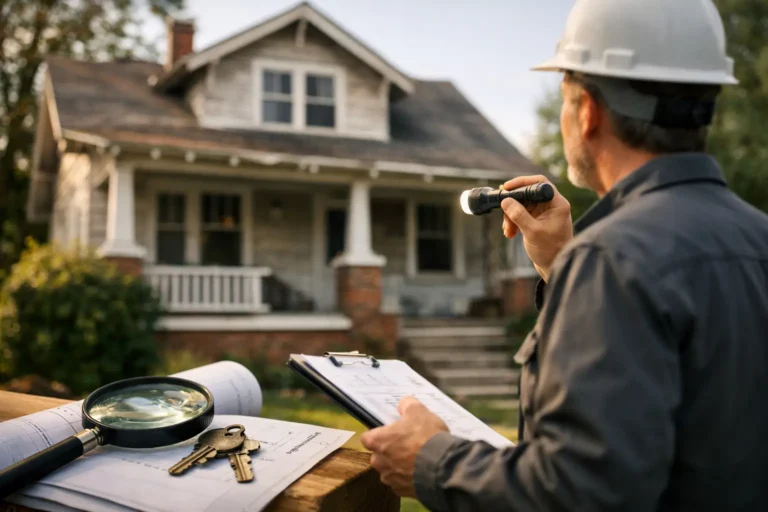
That charming older home can win you over in ten minutes. Original hardwood, mature trees, solid feel, established neighborhood. Then the inspection starts, and the real story shows up behind the walls, above the ceiling, and around the foundation. A buying an older home inspection is not about killing the deal. It is about finding out what you are actually buying before the papers are signed.
Older homes can be excellent purchases. Some were built with better materials than many newer homes. Some have already had the expensive upgrades done. Others have years of deferred maintenance hidden behind fresh paint and staged furniture. The hard part for buyers is telling the difference without a thorough inspection.
Why a buying an older home inspection matters more
Any home should be inspected, but age changes the stakes. Once a home gets into the several-decades-old range, systems are often nearing the end of their expected service life or have been repaired in layers over time. That does not automatically mean the house is a bad buy. It means the inspection has to go beyond surface-level observations.
In older homes, defects tend to stack. A roof leak may have led to attic staining, insulation damage, mold risk, and hidden moisture in wall cavities. An outdated electrical panel may be manageable on its own, but paired with amateur wiring changes, it becomes a serious safety concern. Galvanized plumbing may still be functioning today, yet restricted flow and internal corrosion can point to bigger replacement costs ahead.
This is where buyers get into trouble. They see one issue and budget for one repair, when the real cost is tied to the related problems that come with it.
What an inspector should look at in an older home
A proper older home inspection should focus heavily on the structure, water management, roofing, electrical, plumbing, heating, insulation, ventilation, and signs of previous repairs. These are the areas where age tends to create either safety concerns or expensive surprises.
Foundation and structure
Small cracks are common in many older foundations. The question is whether they are cosmetic, typical for age, or signs of movement. An inspector should be looking for crack patterns, sloping floors, sticking doors, patched wall sections, moisture entry, and grading conditions around the home. In Edmonton-area homes, freeze-thaw cycles and shifting soils can make foundation performance especially important.
Roofing and attic conditions
Roofing problems are easy to miss from the ground, especially on steeper roofs or after cosmetic patching. Missing life expectancy, poor flashing, soft spots, and ventilation issues can all show up in an older home. The attic often tells the fuller story. Staining, frost, damp insulation, and signs of previous leaks matter because they point to how the home has been performing over time, not just how it looks on showing day.
Electrical system age and safety
Older homes often have electrical systems that were adequate for the time but are undersized or unsafe by current standards. That can include outdated panels, aluminum branch wiring, ungrounded receptacles, double-tapped breakers, or visible open splices. Not every older electrical system requires immediate replacement, but buyers need a clear picture of what is unsafe, what is obsolete, and what may affect insurance or future upgrades.
Plumbing materials and moisture risk
This is one of the biggest categories in a buying an older home inspection. Older piping materials can present very different risks. Galvanized steel can corrode internally and reduce flow. Poly-B may raise reliability concerns. Older drain lines may be more vulnerable to wear, blockage, or leakage. Moisture testing matters here because active leaks are not always obvious. Slow leaks under sinks, around tubs, or near finished basement walls can cause damage long before staining appears.
Heating, cooling, and ventilation
Mechanical systems can be expensive enough to change the math of a purchase. Furnaces, water heaters, and ventilation setups need more than a quick age check. An inspector should assess visible condition, signs of poor maintenance, improper venting, and whether the setup appears to be operating safely at the time of inspection. Older homes are also more likely to have ventilation imbalances, insufficient insulation, and comfort issues that buyers notice only after moving in.
Cosmetic updates can hide expensive problems
One of the most common mistakes buyers make is assuming a renovated older home is a lower-risk purchase. Sometimes it is. Sometimes it is a home with nice finishes covering unresolved defects.
A new kitchen does not tell you anything about the condition of branch wiring inside the walls. Fresh basement drywall does not confirm the foundation is dry. New paint around a window does not mean the exterior drainage has been corrected. In some cases, cosmetic work is done properly and adds real value. In others, it is there to make the home show better and move faster.
That is why inspection quality matters. Buyers need someone who can separate appearance from performance.
What buyers should expect from the inspection process
The best inspections are clear, methodical, and focused on decision-making. You should expect the inspector to explain what they are seeing in plain English, not bury you in vague language or filler. The goal is not to produce the longest report. The goal is to identify material issues, explain their significance, and help you understand what deserves immediate attention versus what belongs in a longer-term maintenance budget.
For older homes, extra tools can make a real difference. Thermal imaging can help flag suspicious temperature patterns that suggest insulation voids, heat loss, or possible moisture concerns. Moisture testing can confirm whether a staining pattern is old and dry or still active. Roof photography can document conditions that are difficult to assess from the ground. These are practical tools when they support the inspection instead of replacing it.
How to read the results without overreacting
An older home inspection report will almost never come back clean. That is normal. The question is not whether there are findings. The question is which findings change your risk, your negotiation position, or your future costs.
Some defects are expected for age and manageable with planning. Worn weatherstripping, dated finishes, minor settlement cracking, and older but functional components may not be deal breakers. Other issues deserve a much harder look, especially structural movement, active water entry, unsafe electrical conditions, roofing failure, and plumbing materials with known risk profiles.
This is where buyers need context. A 25-year-old furnace that still runs is not the same as a furnace with visible safety concerns. A hairline crack is not the same as displacement or moisture penetration. A good inspector helps you separate maintenance items from true red flags.
Negotiation, budgeting, and when to walk away
A buying an older home inspection gives you leverage, but only if the findings are specific enough to act on. If major systems are near the end of life, you may not ask the seller to replace everything. You may negotiate price, request select repairs, or simply decide whether the home still fits your budget.
Sometimes the inspection confirms the house is worth pursuing because the issues are typical, visible, and manageable. Sometimes it reveals that the purchase price only works if you are ready for a roof, plumbing updates, and electrical corrections sooner rather than later. And sometimes the right decision is to walk away because the level of uncertainty is too high.
That is not a failed inspection. That is the inspection doing its job.
Choosing the right inspector for an older home
Not every inspector approaches older homes with the same level of care. Experience matters. Local knowledge matters. So does the willingness to answer direct questions without talking around them.
You want an inspector who understands common issues in your market, recognizes aging materials, uses the right tools, and delivers findings in a way you can actually use during a live real estate transaction. Fast reporting matters too. A delayed report is not much help when condition deadlines are close.
For buyers in the Edmonton area, that often means working with someone who has seen the full range of local housing stock, from older neighborhoods with aging infrastructure to updated resale homes where the quality of past work varies widely. JBR Inspections takes that no-nonsense approach because buyers do not need fluff. They need a clear read on the house.
Older homes can be great homes. But charm does not replace due diligence, and fresh finishes do not erase underlying risk. If the house is worth buying, the inspection should help prove it. If it is carrying more trouble than it appears, better to know before closing than after the keys are in your hand.