
Most buyers have never been through a home inspection before. They know they’re supposed to get one, their realtor told them that much, but when the day arrives, they’re not sure what to expect, how long it takes, or what they’re actually paying for.
Here’s exactly what happens when I show up to inspect a home.
Before the Realtor Even Arrives
I show up 30 to 40 minutes early. Every time.
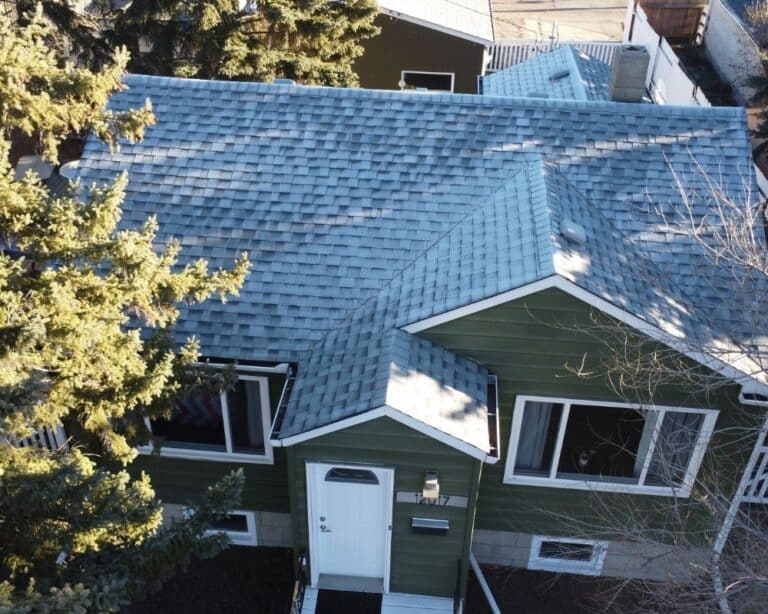
That’s not an accident. It’s deliberate. I use that time to work through the entire exterior of the property before the realtor shows up to let me in. Foundation, grading, drainage, eaves troughs, siding, the condition of the roof from the ground level, and, weather permitting, I’m putting the drone in the air to get 4K photographs of the rooftop itself.
By the time the door opens, I’m already ahead of the game. And the realtor isn’t standing around waiting for me to finish.
Inside the Home: About 90 Minutes
Once I’m inside, the inspection runs about 90 minutes for a typical Edmonton home. I’m moving through the property methodically, hitting every major system: the furnace, the hot water heater, the electrical panel, the attic space, and then everything in between. Doors, windows, light fixtures, plumbing fixtures. The list is extensive.
Every home I walk into, I’m pulling out the thermal imaging camera. This isn’t an upsell. It’s standard practice. Thermal imaging picks up things you simply cannot see with the naked eye: heat loss, moisture behind walls, electrical hot spots. On one inspection, it’s how I caught a water leak inside a poured concrete basement floor on a high-end home with in-floor radiant heat. There was no visible sign of a problem. The thermal scan showed a warm patch in the middle of the floor where the poly-B pipes had started to fail. Those buyers didn’t purchase that home. Without the thermal scan, they would have owned a six-figure repair before they even knew the problem existed.
That’s why it’s on every inspection.
The Walkthrough at the End
Once I’ve been through the house, I spend about 30 minutes with the client going over what I found. Not in technical terms, in plain language. If I can see a glazed-over look on someone’s face, I slow down and try again until it actually makes sense to them.
I always encourage buyers to attend. Not every client does, and that’s fine, but if I’ve come across something unusual, I want them there so I can show them directly. I also like to walk buyers through the mechanical room before we’re done: where the water shutoff is, where the furnace filter goes, what they’re going to need to maintain once they take possession. That kind of thing doesn’t show up in a report, but it matters when you’re a new homeowner.
The Report: Same Day, Every Time
I’m building the report on my phone throughout the inspection. By the time I leave the property, it’s essentially done. I email it to the client and the realtor the same day.
My reports run 14 to 15 pages. I’ve talked to inspectors who send 75-page reports. I’m not sure who those are for, but it’s not the buyer who needs to make a decision in the next 48 hours. My goal is a report that’s thorough, clear, and actually usable. Every finding is documented, photographs are included, and the important stuff isn’t buried.
After the Report
My number is on the report. That’s not just something I say. If you call me three weeks after closing because you have a question about something I flagged, I’m going to pull up your report and walk through it with you.
For clients who weren’t able to attend the inspection, I’ll call them once they’ve had a chance to read through the report and go through it page by page over the phone. They paid for a thorough inspection. The least I can do is make sure they understand what it says.
One More Thing
Every client I work with gets enrolled in RecallCheck, a programme that tracks manufacturer recalls on appliances in the home. It costs nothing extra and lasts a lifetime. One client ended up with a brand-new refrigerator, a $5,000 or $6,000 unit, because a recall was issued and RecallCheck connected them to the manufacturer. Most people would never have known. That’s the kind of thing that keeps working for you long after the inspection is over.
The Bottom Line
A home inspection isn’t a formality. It’s the last line of defence between you and a very expensive surprise. If you’re buying a home in Edmonton or the surrounding area, I’d be glad to be the one in your corner.