
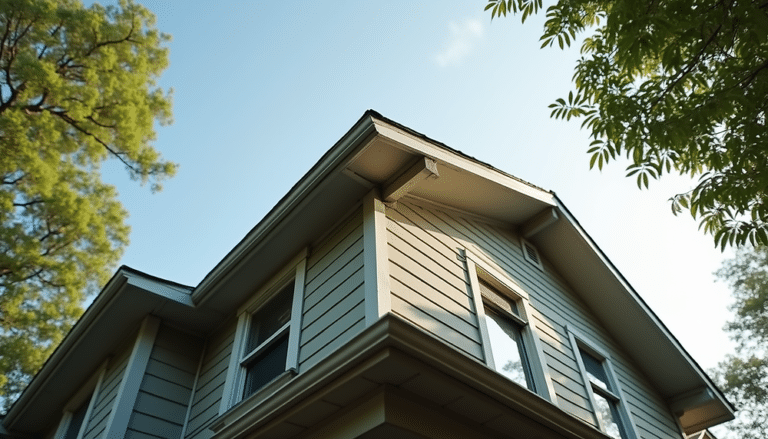
Buying a home is one of the most significant decisions you will make. It’s exciting but can also feel overwhelming. To help you navigate this process smoothly, I’ve put together a comprehensive buyer inspection checklist. This guide will walk you through the essential areas to examine before sealing the deal. With this checklist, you can feel confident that you’re making a smart investment and avoiding costly surprises.
Why a Buyer Inspection Checklist Matters
When you’re looking at a property, it’s easy to get caught up in the aesthetics or the location. But beneath the surface, there could be hidden issues that might cost you thousands down the road. A buyer inspection checklist helps you focus on the critical components of the home’s structure and systems. It ensures you don’t overlook anything important.
Using a checklist also makes the inspection process more organized and less stressful. You’ll know exactly what to look for and can take notes or photos to discuss with your inspector or real estate agent. This approach helps you make informed decisions and negotiate repairs or price adjustments if needed.
Essential Elements of a Buyer Inspection Checklist
Here’s a breakdown of the key areas you should inspect when considering a home purchase. I recommend going through this list carefully, either on your own or with a professional home inspector.
1. Exterior Inspection
Start with the outside of the house. The exterior can tell you a lot about the home’s condition and maintenance history.
Roof: Check for missing, cracked, or curling shingles. Look for signs of leaks or water damage inside the attic.
Gutters and Downspouts: Ensure they are securely attached and free of debris. Proper drainage prevents water damage.
Foundation: Look for cracks, uneven settling, or signs of water pooling near the base.
Siding and Paint: Inspect for peeling paint, cracks, or rot, especially around windows and doors.
Windows and Doors: Check for broken glass, damaged frames, and proper sealing to prevent drafts.
Landscaping: Notice if trees or shrubs are too close to the house, which can cause damage or pest issues.

2. Interior Inspection
Once inside, focus on the structural and functional aspects of the home.
Walls and Ceilings: Look for cracks, stains, or signs of water damage.
Floors: Check for uneven surfaces, squeaks, or damaged flooring materials.
Doors and Windows: Test that they open and close smoothly and lock securely.
Plumbing: Turn on faucets and check water pressure. Look under sinks for leaks or water damage.
Electrical System: Test light switches and outlets. Ensure the electrical panel is up to code and labeled.
Heating and Cooling: Inspect the furnace, air conditioner, and vents. Ask about the age and maintenance history.
Appliances: If included, test all appliances to ensure they work properly.
3. What Checks Should Be Done When Buying a House?
This is a crucial question. Beyond the obvious, there are specific checks that can save you from future headaches.
Pest Inspection: Look for signs of termites, rodents, or other pests. These can cause serious damage if left untreated.
Insulation and Ventilation: Proper insulation keeps energy costs down. Check attic and basement insulation and ensure good ventilation.
Basement and Crawl Space: Look for moisture, mold, or structural issues.
Safety Features: Verify smoke detectors, carbon monoxide detectors, and security systems are in place and functional.
Water Quality: If the home uses a well, test the water for contaminants.
Environmental Hazards: Check for radon, asbestos, or lead paint, especially in older homes.

4. How to Use the Buyer Inspection Checklist Effectively
Having a checklist is one thing, but using it well is another. Here are some tips to get the most out of your inspection:
Hire a Professional Inspector: While you can do a preliminary check, a certified home inspector has the expertise to spot hidden problems.
Attend the Inspection: Being present allows you to ask questions and see issues firsthand.
Take Notes and Photos: Document everything to refer back to later.
Prioritize Repairs: Not all issues are deal-breakers. Focus on safety and major repairs first.
Negotiate with Confidence: Use the inspection report to request repairs or price adjustments.
5. Final Thoughts on Preparing for Your Home Inspection
Preparing for your home inspection with a thorough buyer inspection checklist helps you avoid surprises and make a confident purchase. Remember, no home is perfect, but knowing what you’re dealing with puts you in control.
If you want to explore a detailed home inspection checklist for buyers, this resource can guide you through every step. Taking the time to inspect carefully now can save you money and stress later.
Buying a home is a journey. With the right tools and knowledge, you can make it a positive and rewarding experience.
If you’re in the Edmonton, St. Albert, or Sherwood Park areas, consider partnering with a trusted inspection service to help you make smart real estate decisions. A thorough inspection is your best defense against unexpected, costly issues.